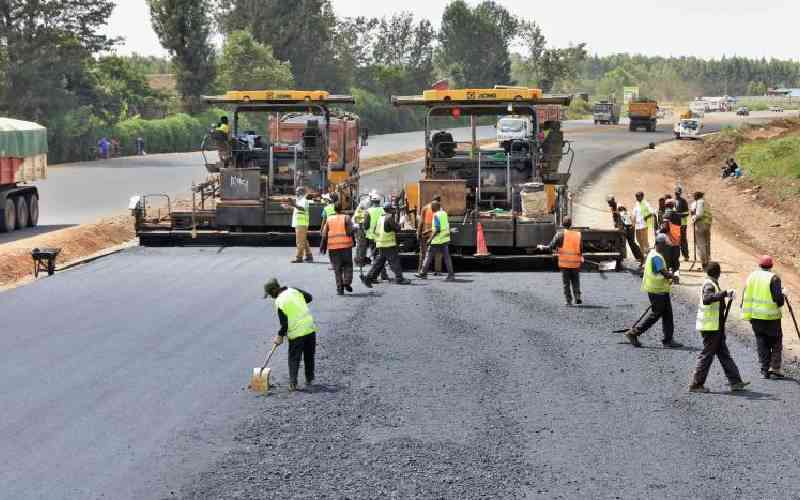
In Kenya, the road network stands as one of the largest public investments, with its value soaring to approximately Sh4 trillion. This expansion, however, comes hand in hand with significant challenges, particularly in funding maintenance and construction amidst budget shortfalls and an inflationary economic climate.
Recent adjustments to the Road Maintenance Levy (RML) underscore the government’s response to these challenges. Initially set at Sh18 per litre in 2016, the levy has now been revised upwards to Sh25 per litre of petrol and diesel. This increase aims to address the mounting costs of imported construction materials, exacerbated by a depreciating Kenyan shilling against major currencies.
The rationale behind these adjustments becomes clearer when considering the inflationary pressures and currency devaluation experienced since the last levy review. The Kenyan shilling has weakened significantly against the US dollar and other currencies, inflating the costs of road construction and maintenance materials. This depreciation has contributed to an annual deficit of approximately Sh63 billion in the road maintenance budget, necessitating higher revenue through the RML.
The Road Maintenance Levy Fund (RMLF) plays a crucial role in sustaining Kenya’s extensive road network, which has expanded by 48% since 2016, now totaling over 239,122 kilometers. This growth includes an increase in the paved network to 25,410.69 kilometers, demanding increased funding for maintenance to preserve these assets.
Despite the necessary increase in the RML, public sentiment remains divided. While stakeholders acknowledge the need for enhanced revenue streams to support road infrastructure, concerns have been raised about the impact of higher fuel prices on consumers and businesses.
Looking forward, the government is exploring alternative revenue sources and strategies to optimize the efficiency of road maintenance funds. Initiatives like the Road Sector Investment Programme (RSIP) aim to reduce the maintenance backlog, estimated at Sh727 billion, and improve the overall condition of the road network.
As Kenya continues its urbanization trajectory and experiences rapid growth in vehicular traffic, the importance of robust infrastructure cannot be overstated. Roads remain the lifeline of the country’s economy, facilitating over 90% of freight and passenger traffic and contributing significantly to GDP.
In conclusion, while adjustments to the Road Maintenance Levy may present short-term challenges, they are essential for safeguarding and enhancing Kenya’s road infrastructure. Sustainable funding mechanisms and prudent management will be pivotal in ensuring that the country’s roads remain safe, efficient, and conducive to economic growth in the years ahead.