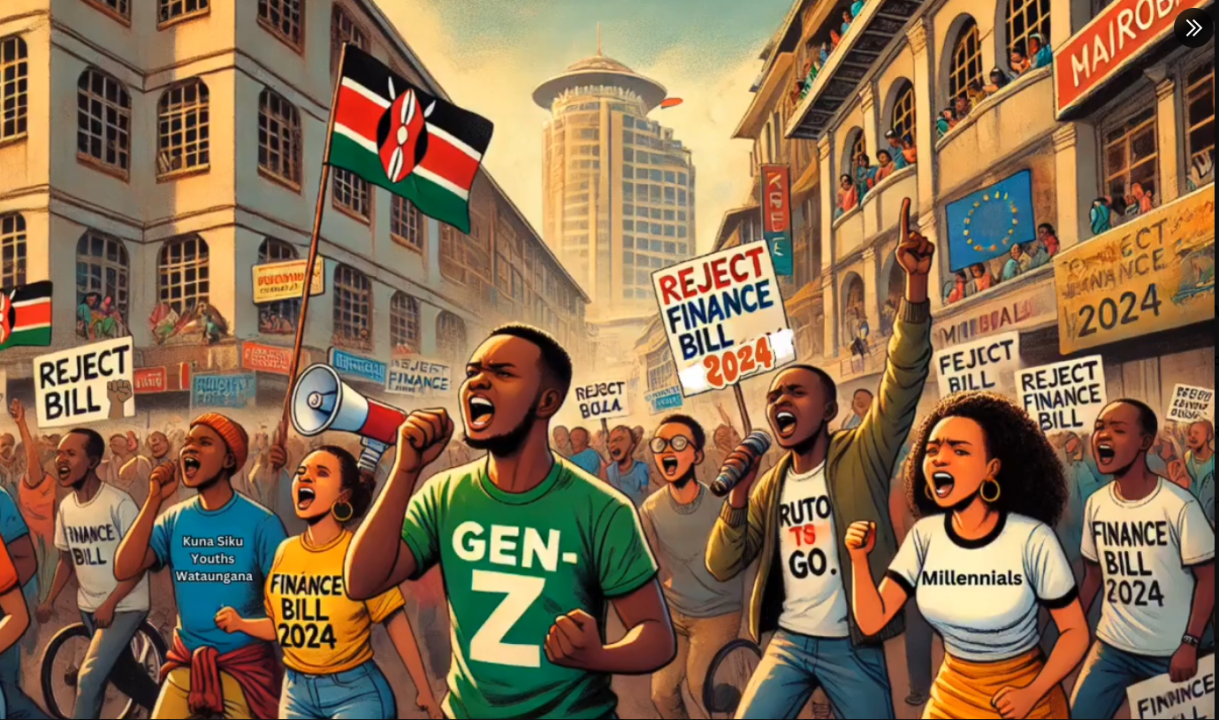
Generation Z (Gen Z) is emerging as a formidable voice in advocating for a comprehensive overhaul of global economic practices. Their vision for economic revival is grounded in principles of transparency, fairness, and accountability, addressing fundamental issues that have long plagued societies worldwide. Here, we delve into the key issues highlighted by Gen Z and explore how reforming international financial governance can pave the way for a more equitable and sustainable future.
Gen Z’s Key Issues for Economic Rejuvenation
Ending Corruption and Cronyism
Gen Z vehemently calls for the eradication of corruption within governmental and corporate systems. They argue that corrupt practices not only erode public trust but also divert resources away from productive uses, hindering economic growth. Transparency and accountability are seen as foundational pillars for rebuilding trust and fostering a fairer economic environment where resources are allocated ethically and effectively.
Ensuring Equitable Taxation
Central to Gen Z’s economic agenda is the need for a tax system that ensures everyone, including corporations and high-income individuals, pays their fair share. This is viewed not only as a matter of justice but also as a means to fund essential public services and infrastructure that benefit all members of society. By promoting equitable taxation, Gen Z aims to reduce economic disparities and enhance social cohesion.
Promoting Good Governance
Gen Z emphasizes the importance of promoting good governance practices characterized by transparency, responsiveness, and integrity. They advocate for protecting civil liberties, ensuring that elected officials act in the public interest rather than personal gain or partisan interests. Strong institutions and effective checks and balances are seen as essential for restoring confidence in governmental systems and fostering a stable economic environment conducive to growth.
Ending Government Interference in Public Institutions
Critically, Gen Z highlights the detrimental effects of government interference in public institutions such as universities, media organizations, and regulatory bodies. They argue that such interference compromises institutional independence and effectiveness, stifling innovation and compromising impartiality. Protecting the autonomy of these institutions is crucial for nurturing creativity and ensuring decisions are made in the best interests of society at large.
Tax Amnesty for Startups
Recognizing the pivotal role of entrepreneurship in economic dynamism, Gen Z supports initiatives such as tax amnesties for startups. These initiatives aim to reduce the financial burden on new businesses through favorable tax conditions or exemptions, thereby encouraging innovation, job creation, and economic diversification. By supporting startups in their nascent stages, Gen Z believes more entrepreneurs will have the resources and incentives to contribute positively to economic growth.
Reforming Global Financial Governance
To address concerns voiced by figures like Reyson Nyongesa regarding the equitable distribution and effectiveness of international loans, a holistic approach to reforming global financial governance is necessary.
Enhancing Transparency and Accountability
Transparency in the allocation and utilization of international loans is paramount. Implementing transparent reporting mechanisms, conducting independent audits, and involving civil society in oversight can mitigate corruption risks and ensure funds are used for their intended purposes. By enhancing accountability, we can rebuild trust and ensure financial aid contributes effectively to sustainable development goals.
Empowering Local Communities
Empowering local communities is essential for maximizing the impact of international loans on grassroots development. This involves investing in community-driven initiatives, strengthening local governance structures, and promoting inclusive decision-making processes. By enabling communities to participate actively in development efforts, we can ensure projects align with local priorities and foster sustainable outcomes.
Strengthening Anti-Corruption Measures
Combatting corruption through robust enforcement of laws, promoting ethical standards, and protecting whistleblowers is critical. Strengthening anti-corruption measures not only deters illicit practices that undermine economic progress but also safeguards the integrity of financial assistance programs. By holding accountable those who misuse funds, we uphold the credibility of international financial governance and promote fair distribution of resources.
Promoting Sustainable Development Goals
Reforming international loans to prioritize sustainable development goals (SDGs) is essential for addressing global challenges such as poverty alleviation, climate change mitigation, and inclusive economic growth. Integrating environmental, social, and governance (ESG) criteria into loan conditions can catalyze investments in renewable energy, resilient infrastructure, and equitable economic opportunities. This proactive approach supports long-term sustainability and resilience to economic uncertainties.
Conclusion: Building a Resilient and Inclusive Global Economy
In conclusion, Gen Z’s call for economic reform underscores the urgency of reimagining global financial governance to promote transparency, accountability, and equity. By addressing issues such as corruption, equitable taxation, good governance, institutional autonomy, and supporting entrepreneurial initiatives, we can lay the groundwork for a more inclusive and sustainable economic future.
As stakeholders in the global community, it is imperative to collaborate in implementing these reforms. Governments, financial institutions, civil society organizations, and individuals must work together to build a resilient and inclusive global economy that prioritizes the well-being of all people and the planet. By embracing Gen Z’s vision and advocating for systemic change, we can create a future where economic prosperity is shared equitably and sustainably for generations to come.