


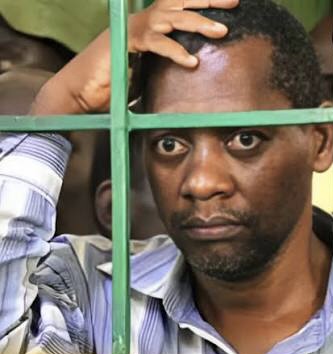
Shakahola massacre mastermind pastor Paul Mackenzie….Photo/IP
NAIROBI, Kenya (IP)
As political tensions flare in Kenya and student unrest simmers across parts of the region, a difficult question is emerging in policy circles and counseling rooms alike: Are deeper, untreated mental health challenges quietly feeding social instability?
Across East Africa, mental health professionals say cases of depression, anxiety, trauma-related disorders and substance abuse are rising — particularly among young people navigating unemployment, academic pressure and economic uncertainty.
In Kenya, health data has consistently shown that a significant portion of outpatient visits involve mental health concerns.
Suicide remains a serious public health issue, especially among youth.
Universities such as the University of Nairobi and Moi University have in past years reported student suicides that shocked campuses and prompted renewed calls for expanded counseling services.
Secondary schools have also experienced waves of unrest, including arson and property destruction.
Education officials often cite discipline breakdowns or exam stress, but psychologists argue that unresolved trauma, depression and lack of psychosocial support may be underlying contributors in some cases.
In Uganda, officials say the Butabika National Referral Mental Hospital is overwhelmed, with a growing number of admissions involving young people.
Administrators report rising cases linked to substance abuse, severe depression and other psychiatric conditions, while resources remain stretched.
Uganda’s recent national population health assessments describe mental health as an escalating concern, affecting a substantial share of the population, particularly youth facing unemployment and social pressures.
Experts caution against simplistic conclusions.
Political clashes and student protests are not automatically symptoms of mental illness.
Electoral tensions overseen by bodies such as Kenya’s Independent Electoral and Boundaries Commissionreflect structural, economic and governance disputes — not psychiatric diagnoses.
Still, clinicians note that chronic stress, collective trauma and economic hardship can erode resilience and heighten emotional volatility across communities.
The 2023 discovery of mass graves linked to the Shakahola massacre further intensified debate.
Authorities described the deaths as the result of cultic manipulation and extremist religious practices.
Mental health specialists say vulnerability and psychological coercion may intersect with such tragedies, though they stress that extremism and criminal conduct cannot be reduced to mental illness alone.
Beyond politics and cults, reports of suicide have surfaced in marriages strained by financial hardship, workplaces marked by pressure and even places of worship.
Counselors say stigma continues to prevent many from seeking help until crises erupt.
Both Kenya and Uganda face shortages of trained psychiatrists, psychologists and community mental health workers.
Access to care remains uneven, particularly outside major cities.
For mental health advocates, the question is no longer whether a crisis exists, but whether governments will treat it with the urgency given to economic or political emergencies.



