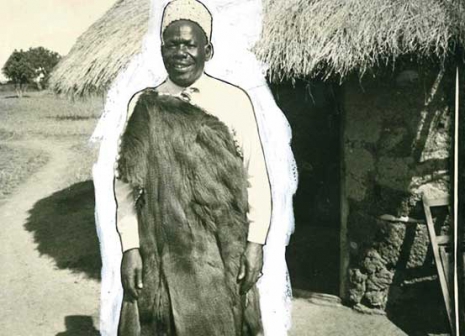
By Mwibanda.
Introduction.
In the annals of Kenya’s colonial history, the Bukusu community stands out not just for their fierce resistance against British rule but also for their rich cultural heritage and the enduring legacy of leaders like Pascal Nabwana, who has recently been honored among Kenya’s national heroes. This feature explores the Bukusu resistance, their cultural significance, and the repercussions of colonial policies that have left scars still felt today.
The Bukusu Community and Their Leaders.
The Bukusu people, primarily found in western Kenya, have a storied history characterized by strong leadership and community cohesion. Among their notable leaders was Pascal Nabwana, a figure who galvanized the Bukusu resistance against colonial encroachment. His inclusion in the roster of Kenya’s heroes reflects a growing recognition of the sacrifices made by indigenous leaders in the fight for freedom.
Other prominent figures included Chief Sudi Namachanja, Chief Jonathan Baraza, Chief Musa Amutala Mayeku, and Chief Jeremiah Kukubo. These leaders played pivotal roles in organizing resistance against colonial forces, often facing brutal reprisals.
The Timeline of Resistance.
The Bukusu resistance to British colonization can be traced through a series of significant events marked by violence and repression:
– Lumboka Massacre (1894)**: This early confrontation set the tone for the brutality that would follow. Many Bukusu lost their lives as British forces retaliated against uprisings.
– Chetambe Massacre (1896): A further escalation, this massacre claimed numerous Bukusu lives and demonstrated the lengths to which the British would go to suppress dissent.
– Malakisi Massacre (1948): This event highlighted the ongoing tensions and brutal methods employed by the colonial government, which sought to dismantle Bukusu resistance.
– Dini ya Musambwa and the Pokot Kolloa Massacre: Led by Elijah Masinde Wanameme, these uprisings showcased the Bukusu’s determination to reclaim their rights and land.
Colonial Land Policies and Their Consequences
The British colonial administration implemented land policies that drastically affected the Bukusu community. Land was expropriated for white settlers, leading to displacement and loss of traditional livelihoods. The introduction of cash crop farming further marginalized local farmers, disrupting the communal land ownership that had been a hallmark of Bukusu culture.
These policies sowed discord and resentment, resulting in widespread poverty and a struggle for resources that persists today. The lack of compensation for land lost during colonization has left deep economic and social wounds within the community.
Cultural Richness and Historical Significance
Despite the adversities faced, the Bukusu community has maintained a vibrant cultural identity characterized by rich traditions, rituals, and a strong sense of community. Their oral history, including the tales of resistance and leadership, continues to be passed down through generations, underscoring their resilience.
However, the absence of compensation from the British government for the atrocities committed during colonial rule raises pressing questions. Unlike the Kikuyu and Kalenjin communities, who have pursued legal recourse for compensation, the Bukusu have largely remained silent. This may stem from a complex mix of political dynamics, resource constraints, and a focus on preserving cultural identity over legal battles.
Looking Forward
As Kenya continues to grapple with its colonial past, the question remains: Will the Bukusu community seek justice through the courts? The experiences of the Kikuyu and Kalenjin provide a framework, but the Bukusu may choose a different path, prioritizing cultural revitalization and community healing over legal disputes.
Conclusion
The story of the Bukusu resistance is not just one of struggle against oppression; it is a testament to a community’s resilience, rich cultural heritage, and unwavering spirit. As they navigate the complexities of their historical injustices, the legacy of leaders like Pascal Nabwana and the sacrifices of countless others will continue to inspire future generations in their quest for recognition and justice.