


By Mwibanda
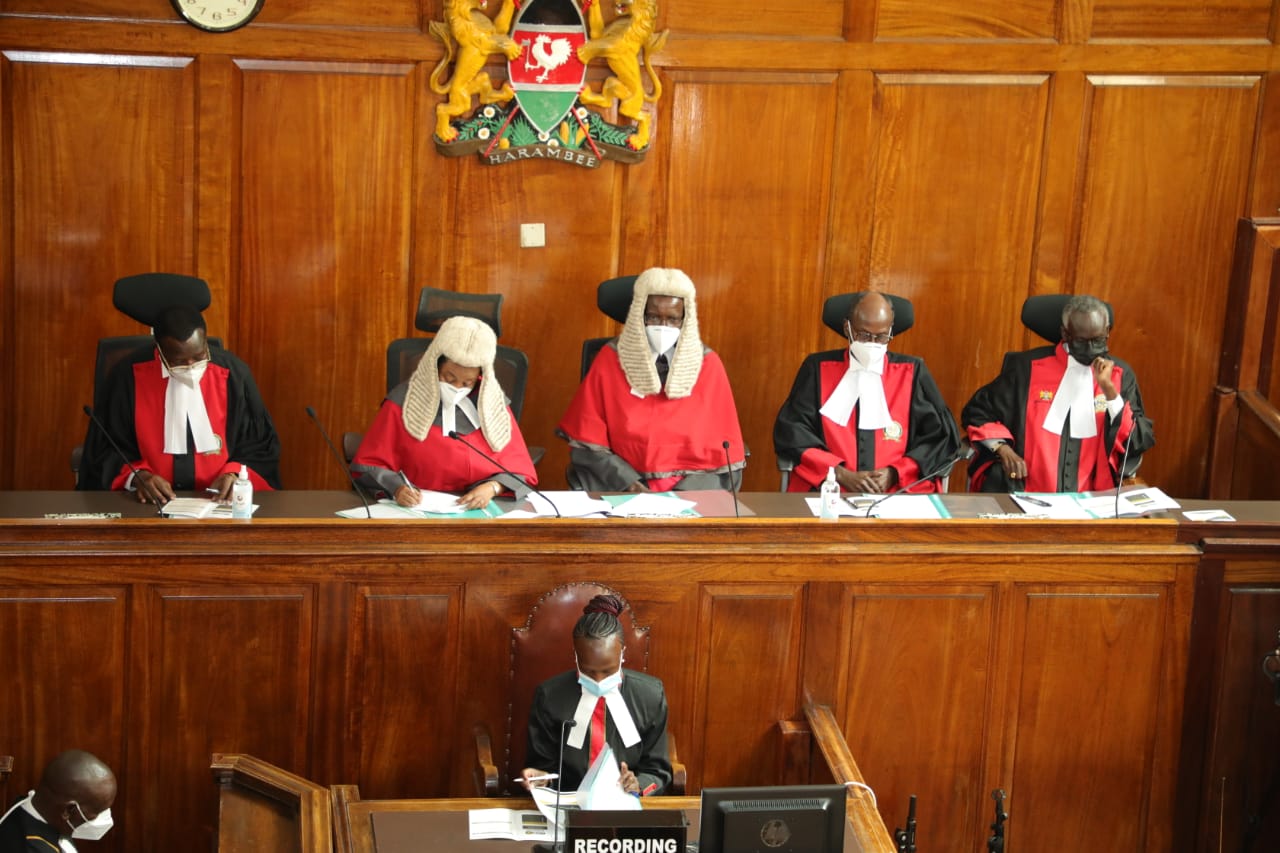
Starting today, the corridors of justice are set to witness an unprecedented showdown as a multitude of legal and political issues converge in what many are calling an epic battle between the President, Parliament, the impeached Deputy President, and the judiciary. This clash raises fundamental questions about the interplay between law and politics—and who will ultimately emerge victorious.
At the center of this storm is Deputy President Gachagua, whose impeachment has sparked a series of fresh legal confrontations. As he challenges his impeachment in the courts, five petitions were filed across various jurisdictions last Friday, setting the stage for a legal spectacle that could redefine the balance of power in the country.
Pundits have long debated whether politics trumps law in such high-stakes scenarios. Historically, political maneuvering has often overshadowed legal principles, leading many to wonder if Chief Justice Martha Koome and her colleagues can withstand the political tide. The stakes are incredibly high; the outcomes of these legal battles could not only affect the Deputy President’s future but also set significant precedents for the relationship between the judiciary and the executive.
As this drama unfolds, the question remains: who will blink first? Will the legal system hold firm against the pressures of political influence, or will the scales tip in favor of political expediency? Observers from both sides of the aisle are watching closely to see how the judiciary navigates these treacherous waters and whether it can uphold the rule of law amidst the swirling political chaos.
As we witness this battle unfold, it’s crucial to consider the implications for governance and justice in the country. The outcome may not only reshape individual careers but also influence public perception of the integrity of our institutions. One thing is certain: the corridors of justice are where the real drama is unfolding.



