


By Swaleh
In today’s dating landscape, age-gap relationships have become a subject of both humor and scrutiny. A recurring joke highlights how older men often lavish money on younger women simply for existing, while older women—often dubbed “mumamas”—tend to demand a different kind of engagement rooted in accountability. This juxtaposition raises intriguing questions about gender dynamics, societal expectations, and the implications for younger men seeking similar relationships.
The Economics of Attraction
At the core of this humor lies an economic exchange. Older men, typically more financially stable, may feel compelled to impress younger women with gifts or money. This phenomenon extends beyond physical attraction; it encompasses power dynamics and status. In many instances, these relationships are perceived as transactions where the man’s wealth buys affection or companionship.
Conversely, the “mumama” archetype often embodies a more transactional approach, emphasizing accountability. Aware of their worth, older women may seek deeper connections that involve mutual emotional and financial investment. They want to ensure that their time and effort are reciprocated, creating a tension absent in the more playful dynamics seen with younger women.
The Bar and the Bedroom: An Unwritten Code
The metaphor of “every round at the bar denoting a round at the bed” captures a shared understanding in many dating cultures. It suggests that social interactions carry an implicit expectation of reciprocity, particularly in romantic contexts. For younger men, this creates a dilemma: while enjoying the company of older women, they may feel pressured to meet heightened expectations for accountability.
This dynamic reinforces a broader societal belief that young men are often ill-equipped to handle such complexities, viewed as needing guidance or being less mature in relational capabilities. This stands in stark contrast to the stereotype of young women effortlessly navigating relationships with older men.
The Weirdness of Young Men and “Mumamas”
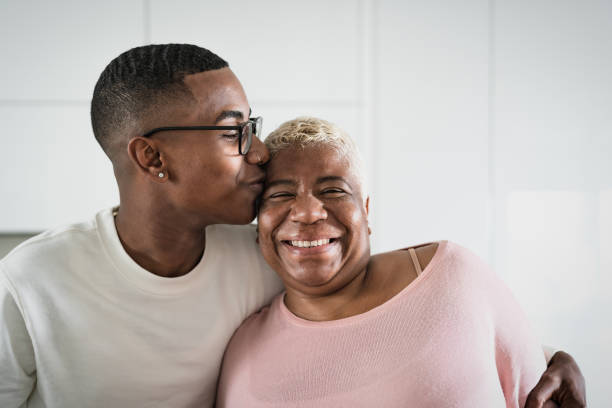
When a young man pursues a relationship with an older woman, societal responses can be mixed. On one hand, there’s a celebration of breaking age norms; on the other, an underlying discomfort lingers. Young men in these relationships may be viewed through a lens of immaturity, perceived as unable to manage the complexities of a partner who demands more than charm or looks.
This double standard raises questions about masculinity and societal expectations. While older men are often celebrated for their conquests with younger women, young men dating older women may face ridicule or suspicion. Are they seen as “losers” needing validation from an older partner, or are they brave for challenging societal norms?
Conclusion: A Call for Understanding
The humor surrounding age-gap relationships often obscures deeper issues at play. While older men may engage playfully with younger women, older women challenge their younger partners to rise to the occasion. This dynamic reflects broader societal attitudes about gender roles, accountability, and expectations in relationships.
As we navigate these complex dynamics, it’s essential to approach the topic with empathy and an open mind. Understanding the male perspective in these relationships requires recognizing the nuances involved and acknowledging that both younger men and older women face their own sets of challenges and desires. By fostering conversations around these themes, we can break down stereotypes and create healthier dynamics in all types of relationships.



