


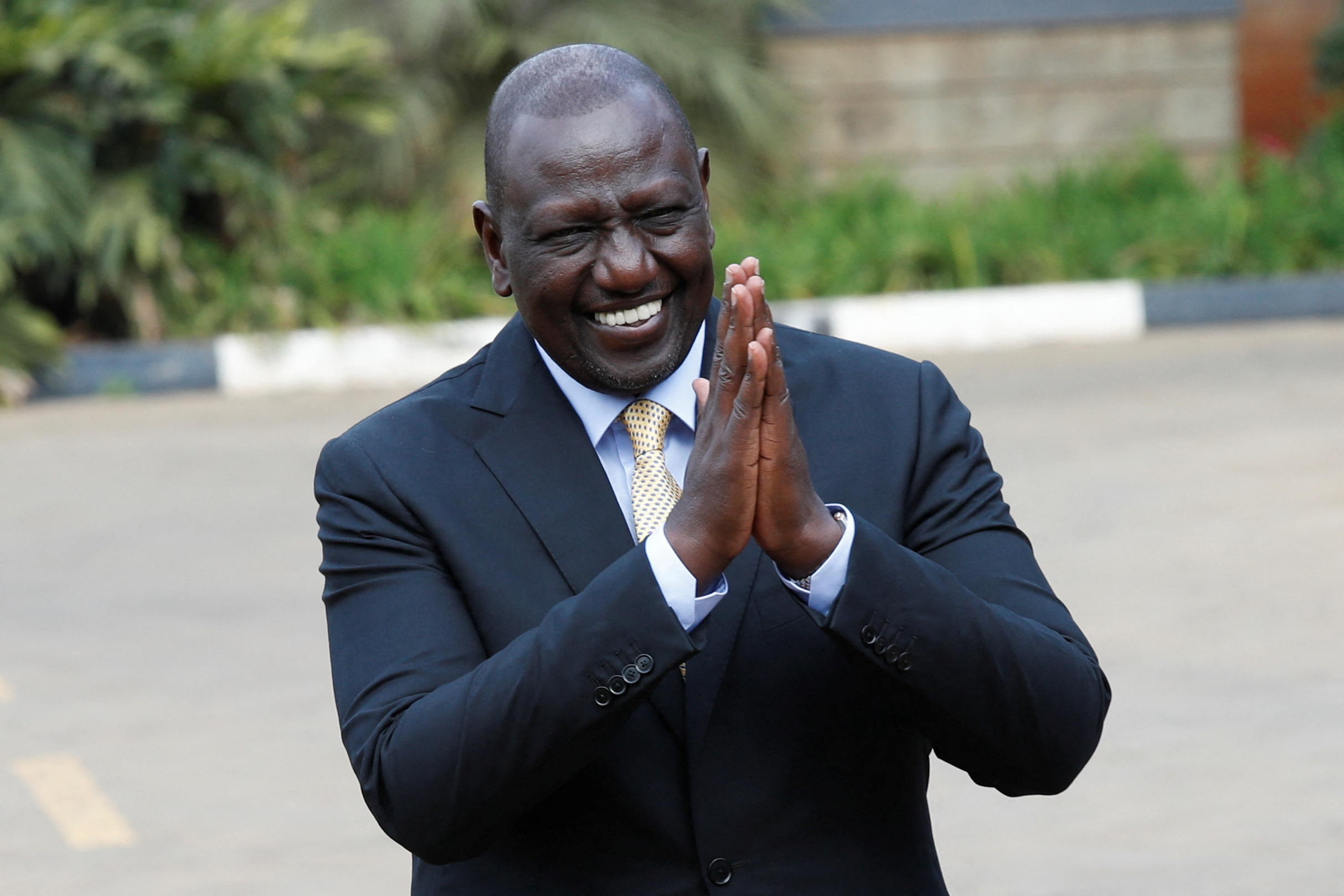
In the dynamic world of Kenyan politics, William Ruto has demonstrated considerable political agility, adeptly navigating a landscape fraught with intense rivalries and shifting allegiances. As he leads his administration, a closer examination of his successes and setbacks reveals much about his strategic acumen and the challenges he faces in maintaining stability.
Navigating the Opposition
One of Ruto’s notable achievements is his adept management of the opposition led by Raila Odinga. By effectively mitigating Odinga’s influence, Ruto has managed to minimize disruptions from opposition activities, allowing him to focus on governance with reduced external pressure. However, this success comes with a caveat. The subdued state of the opposition has led to a political environment where the concerns of ordinary Kenyans may not be adequately addressed, as their voices risk being overshadowed by the ongoing political maneuvering.
Capturing the National Assembly
Ruto’s control over the National Assembly is another area where his political strategy shines. Through strategic appointments and incentives, he has ensured that the Assembly functions as a supportive arm of the executive branch. This control is crucial for advancing his policies and maintaining order within government operations. Nonetheless, this alignment raises concerns about the integrity of the legislative process. When MPs are primarily motivated by personal gain rather than public service, the effectiveness and fairness of governance can be compromised.
The Hits: Strategic Appointments and Alliances
Ruto’s success in managing the opposition and capturing the National Assembly underscores his skill in forging strategic alliances and making critical appointments. His ability to navigate these complex political landscapes reflects a deep understanding of power dynamics. This prowess has facilitated the implementation of policies and initiatives, creating a stable environment for his administration.
The Misses: Public Discontent and Governance Challenges
Despite these successes, Ruto’s tenure has not been without its challenges. The sidelining of opposition voices and the prioritization of parliamentary loyalty over public welfare have led to criticism and dissatisfaction among Kenyans. The perception that governance is driven more by political strategy than by genuine concern for public needs can undermine trust in the administration and exacerbate social and economic issues.
Survival in a Shifting Political Landscape
Will Ruto successfully navigate the turbulent political waters of his presidency? His ability to maintain control over key political institutions will be pivotal. However, his survival will also depend on his administration’s responsiveness to the needs and concerns of the Kenyan populace. Balancing political maneuvering with genuine governance will determine whether he can steer his administration through upcoming challenges and secure a lasting legacy in Kenyan political history.
In conclusion, while William Ruto’s political mastery is evident in his management of the opposition and control over the National Assembly, the true measure of his leadership will be his ability to address public discontent and effectively manage governance. As he continues to lead his administration, his success will be judged by both his strategic effectiveness and his commitment to the welfare of the Kenyan people.



