


By Mwibanda.
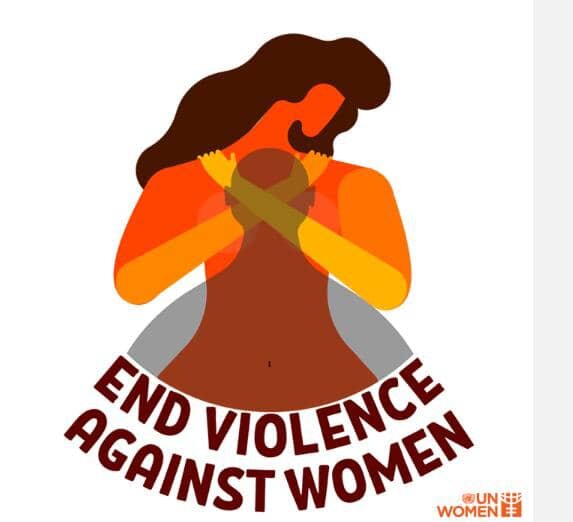
Africa, a continent of immense beauty and potential, continues to be plagued by cycles of violence that disproportionately affect its most vulnerable populations: mothers and children.
From armed conflicts to domestic violence and systemic neglect, these cycles not only devastate lives but also stifle the continent’s progress.
If Africa is to achieve its potential, urgent action is needed to break the chains of violence and create a safer future for its women and children.
The Faces of Violence in Africa.
1. Armed Conflicts and Civil Wars
Decades of civil wars, insurgencies, and political instability have left millions of women and children caught in the crossfire.
According to UNICEF, children account for nearly half of Africa’s displaced population, and women often face sexual violence as a weapon of war.
In conflict zones like the Sahel, the Democratic Republic of Congo, and South Sudan, mothers struggle to protect their children while navigating displacement, hunger, and trauma.
2. Domestic and Gender-Based Violence
Beyond the battlefields, many women face violence in their homes.
According to UN Women, an estimated 40% of African women experience gender-based violence (GBV) during their lifetimes.
This violence not only harms individuals but also perpetuates cycles of poverty, as victims often lack access to education, healthcare, and economic opportunities.
3. Child Exploitation and Abuse.
From child soldiers recruited into militias to victims of child marriage and trafficking, African children are frequently exploited in ways that rob them of their innocence and future.
These practices are deeply rooted in poverty, cultural traditions, and weak legal protections, further entrenching cycles of violence.
The Impact on Mothers and Children.
The consequences of violence on mothers and children are far-reaching:
Health Consequences: Physical injuries, mental health challenges, and lack of access to healthcare contribute to high maternal and child mortality rates.
Economic Strain: Families affected by violence often lose breadwinners or face displacement, leading to poverty and dependence on humanitarian aid.
Intergenerational Trauma: Children who grow up in violent environments often perpetuate the cycle of violence, either as victims or perpetrators, creating a ripple effect across generations.
Breaking the Cycle: What Needs to Be Done.
1. Invest in Education
Education is a powerful tool for breaking cycles of violence.
By ensuring that all children, especially girls, have access to quality education, communities can empower future generations to challenge harmful norms and build sustainable livelihoods.
2. Strengthen Legal Protections
Governments must enforce laws that protect women and children from violence.
This includes criminalizing gender-based violence, ending child marriage, and prosecuting perpetrators of war crimes. Justice systems must also be made accessible and fair to victims.
3. Support Survivors.
Rehabilitation and support programs for survivors of violence are crucial.
Safe shelters, counseling services, and economic empowerment initiatives can help mothers and children rebuild their lives and escape cycles of abuse.
4. Address Root Causes of Conflict.
To prevent armed violence, African nations must tackle the root causes of conflict, including poverty, inequality, and political instability. Peacebuilding initiatives, coupled with inclusive governance, can create environments where violence is no longer the norm.
5. Promote Community Engagement.
Cultural norms that perpetuate violence, such as patriarchy and toxic masculinity, must be challenged at the community level.
Engaging men and boys in conversations about gender equality and respect for human rights can foster a culture of nonviolence.
The Role of Leadership.
Breaking the cycle of violence requires strong leadership at all levels.
Governments, civil society organizations, and international partners must prioritize the safety and well-being of mothers and children in their policies and programs.
Leaders must also ensure that women are included in decision-making processes, as they bring unique perspectives and solutions to peacebuilding efforts.
A Call to Action.
Saving Africa’s mothers and children from the cycle of violence is not just a moral imperative—it is essential for the continent’s future.
When women and children thrive, communities flourish, economies grow, and peace becomes sustainable.
The time to act is now. By investing in education, enforcing laws, supporting survivors, and addressing the root causes of conflict, Africa can break free from the chains of violence and create a legacy of hope and resilience for its mothers and children.
Let us remember: when we save a mother and her child, we save the future.
Ends.



