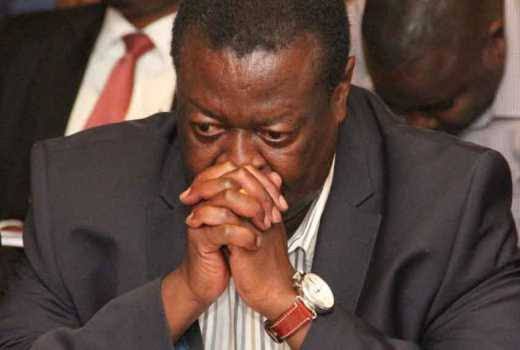
Foreign Affairs CS Musalia Mudavadi….Photo/IP.
By IP Reporter.
NAIROBI/WASHINGTON — Aug. 6, 2025
Nairobi remains mum as the United States Senate pushes forward with a proposal to revoke Kenya’s Major Non-NATO Ally (MNNA) status—barely a year after awarding the country the rare designation.
The silence from State House and Kenya’s Foreign Ministry comes amid serious allegations outlined by U.S. lawmakers, including claims of government-sanctioned abductions, torture, ties to rogue armed groups, and growing security cooperation with China, Russia, and Iran.
Senate Amendment Targets Nairobi.
The amendment was introduced by Senator James Risch (R-Idaho)—is part of the U.S.
Senate’s broader defense bill for 2026 and demands a classified reassessment of Kenya’s eligibility as a strategic ally.
If passed it would require the Secretaries of State, Defense and Treasury along with the Director of National Intelligence to complete a full intelligence review of Kenya within 180 days.
The inquiry specifically seeks to determine whether Kenya has violated the spirit of the MNNA partnership, which is predicated on trust, transparency, and alignment with U.S. security interests.
At the Heart of the Fallout:
Senators backing the amendment cite:
Kenya’s alleged links to extremist and militia groups, including al-Shabaab and Sudan’s Rapid Support Forces;
Use of U.S.-funded counterterrorism units in abductions, torture, and renditions;
Eroding human rights standards under President William Ruto’s administration;
Deepening economic and military ties with China, Russia, and Iran—countries seen as rivals to U.S. global influence.
A Reversal is just One Year After Recognition.
Kenya received MNNA status in June 2024 under the Biden administration, marking a historic milestone as the first sub-Saharan African nation to join the list.
The designation granted Nairobi access to U.S. military financing, joint exercises, and elevated diplomatic standing.
Revocation would mark a stunning reversal, one that could isolate the Ruto government diplomatically and damage its credibility in global security circles.
Human Rights in the Spotlight.
The move by the U.S. Senate comes amid rising pressure from human rights organizations and opposition leaders in Kenya.
They accuse state agencies of operating unconstitutionally—kidnapping government critics, suppressing protests, and engaging in extrajudicial crackdowns, particularly during anti-tax demonstrations.
The Kenya National Commission on Human Rights (KNCHR) has flagged a spike in enforced disappearances and calls for independent investigations.
No Official Response yet as international scrutiny intensifies, Kenyan authorities have yet to issue a formal statement.
Diplomats and top defense officials have declined to comment, though sources indicate urgent behind-the-scenes diplomatic efforts are underway to defuse the tension.
Observers say the government is walking a tightrope—balancing growing economic ties with Eastern powers while trying to maintain favor with Western allies.
What Kenya Stands to Lose
Losing MNNA status would:
Strip Kenya of privileged access to U.S. military training and equipment;
Restrict funding for joint defense projects;
Undermine Nairobi’s standing as Washington’s top East African partner;
Cast doubt on its reliability in international counterterrorism cooperation.
Geopolitical Undercurrents.
Analysts believe the Senate’s hardline stance is part of a larger U.S. effort to push back against Chinese and Russian influence across Africa.
Kenya’s deepening cooperation with Beijing, recent diplomatic overtures to Moscow, and quiet engagements with Tehran have raised red flags in Washington.
Diplomatic Crossroads.
Whether the amendment passes or not, the message from Capitol Hill is clear: Washington expects higher standards from its most trusted partners. For Kenya, the next few weeks may determine not just the future of its military alliances—but also the broader direction of its foreign policy in a shifting global order.
ENDS.
Filed by IP Reporter