By Peter Mwibanda.
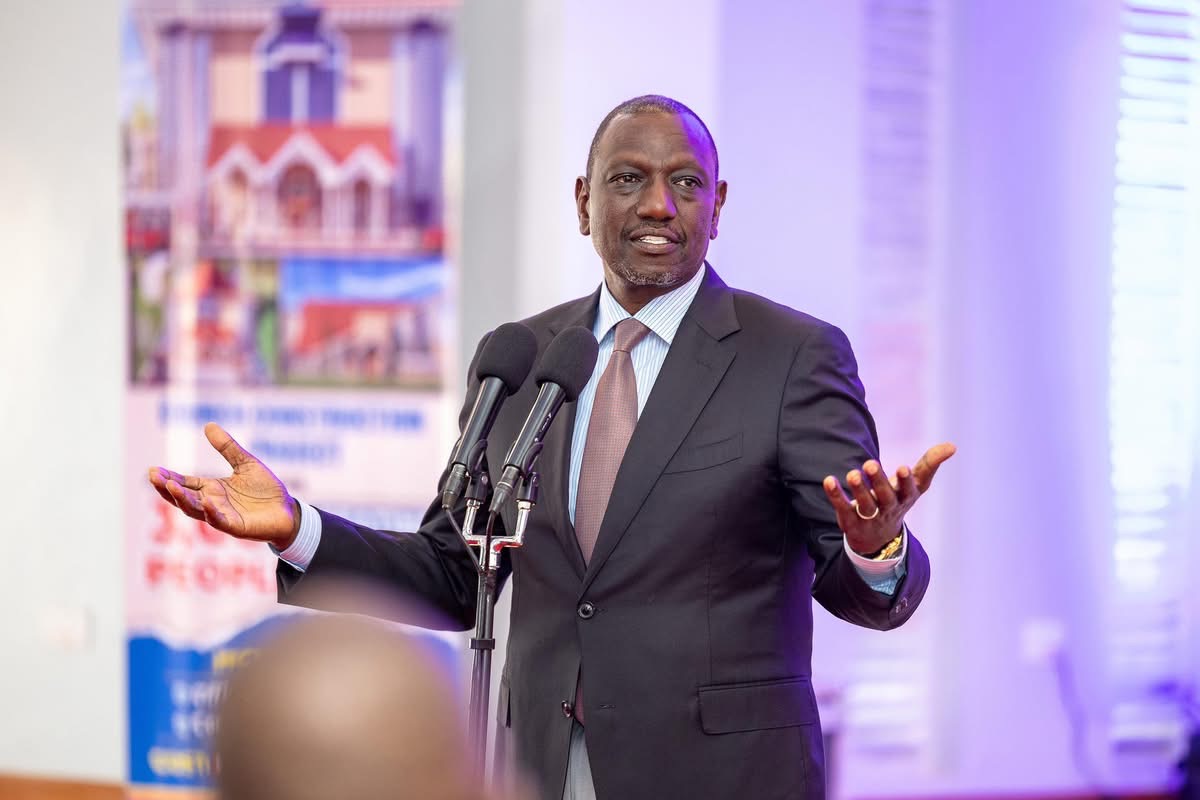
BUNGOMA, Kenya (IP) – President William Ruto, once hailed as Africa’s rising political star and a favorite among Washington’s diplomatic circles, is now facing a dramatic fall from grace.
A U.S. Senate amendment is calling for a comprehensive reassessment of Kenya’s privileges as a non-NATO ally — a special designation that has provided the country with significant diplomatic and military support from the United States for years.
Not long ago, Ruto was embraced in Washington as a reformist leader capable of ushering in economic growth and regional stability.
But today, the tone has shifted sharply. U.S. lawmakers are accusing his administration of betraying key principles of human rights and undermining regional peace — values that once earned Kenya strategic favor.
The U.S. Senate’s proposed review signals growing dissatisfaction with Kenya’s current trajectory. It urges scrutiny of the country’s human rights record and its role in promoting peace across East Africa.
This represents a notable departure from earlier support for Ruto, who was once seen as a linchpin in stabilizing the region.
Kenya’s significance on the African continent cannot be overstated. As a regional economic powerhouse, it has played central roles in conflict mediation, peacekeeping, and counterterrorism operations.
However, mounting concerns over Ruto’s response to internal dissent — including allegations of police brutality, suppression of protests, and the erosion of civil liberties — have triggered international rebuke.
Over the past year, widespread demonstrations have rocked the country, with human rights groups accusing the government of silencing dissent and using excessive force.
U.S. officials have cited these developments, along with Nairobi’s failure to meet international human rights obligations, as key reasons for reevaluating the bilateral relationship.
Beyond human rights, the situation reflects broader geopolitical concerns.
As Kenya courts deeper economic ties with China and other non-Western powers, its long-standing partnerships with traditional allies like the United States appear increasingly strained.
Washington has been one of Kenya’s largest foreign backers, investing heavily in infrastructure, health, education, and security.
But with Nairobi seemingly shifting its global posture, a key question looms: Is Kenya abandoning its democratic foundations for expediency, or is it simply adapting to a changing world order?
For President Ruto, this moment presents a critical test. Once viewed as a symbol of democratic promise, he now risks being isolated by Western partners.
Kenya, in turn, must grapple with the potential fallout — politically, economically, and diplomatically.
As Washington reconsiders its alliance, Ruto faces a difficult choice: assert Kenya’s independence and risk alienating key allies, or work to restore confidence and repair strained relations. Whether this crisis marks a temporary rupture or a long-term realignment remains to be seen.