


By IP Team .
NAIROBI, Kenya (IP) — Kenya’s National Cohesion and Integration Commission (NCIC) is under fire for alleged double standards, with growing accusations that it has abandoned its watchdog role in favor of political expediency amid rising ethnic tensions.
Formed in the wake of the 2007–2008 post-election violence that left over 1,100 dead and displaced hundreds of thousands, the NCIC was intended to be a neutral arbiter against hate speech and ethnic incitement. Today, critics say it is failing that mission.
“The NCIC no longer serves the people. It protects the powerful,” said a Nairobi-based civil rights lawyer. “It’s no longer just asleep at the wheel — it may be complicit.”
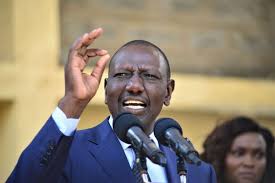
Observers claim the commission has adopted a partisan posture, coming down hard on opposition voices and activists while overlooking divisive rhetoric from figures close to President William Ruto’s administration. They point to instances where senior government officials made ethnically charged remarks with little or no response from the NCIC.
In stark contrast, opposition politicians, online commentators, and protest organizers have faced swift summonses, reprimands, or threats of prosecution.
“The principle of equal justice under the law is being abandoned,” said Dr. Lydia Wambua, a political analyst. “This was the very injustice the NCIC was meant to fight after the horrors of 2007. Its silence now is deafening.”
With the 2027 elections looming and recent months marred by youth-led protests, economic strain, and political unrest, concerns are mounting that unchecked hate speech could again spiral into violence.
“The NCIC’s failure to act decisively is dangerous,” said a university lecturer, who asked not to be named due to safety concerns. “It sends a message that hate speech is tolerable — as long as it serves those in power.”
Efforts to reach NCIC Chairperson Rev. Dr. Samuel Kobia for comment were unsuccessful. The commission has previously denied any bias, insisting it applies the law fairly and impartially.
But public trust appears to be waning.
“The NCIC was created to guard the soul of this nation. Today, it’s guarding the seat of power instead,” said Peter Mwibanda, a legal analyst and blogger based in Bungoma.
As Kenya navigates a tense political period, questions linger: Can the NCIC reclaim its credibility and enforce cohesion laws without fear or favor? Or has it become just another institution co-opted by politics?
For many, the answers could define the fate of the commission — and the fragile unity of the nation itself.
—
Peter Mwibanda is a legal commentator, blogger, and political observer based in Bungoma County. He writes on justice, governance, and constitutional affairs.
Ends.



