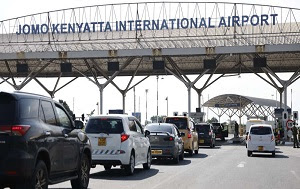
In September 2023, the aviation sector was abuzz with the signing of the Adana JKIA agreement, which pertains to the management and operations of Jomo Kenyatta International Airport (JKIA) in Nairobi, Kenya. This agreement, involving a partnership between the Kenyan government and an international consortium, aims to revitalize and expand the airport’s capabilities. However, the agreement has sparked debate and raised concerns reminiscent of past events, particularly the 1989 takeover of JKIA by the Kenya Airports Authority (KAA). Understanding these historical parallels is crucial to assessing whether the current agreement might face similar challenges.
Historical Context: The 1989 Takeover
In 1989, JKIA was placed under the management of the newly established Kenya Airports Authority, a move intended to modernize airport operations and improve management. However, this transition quickly became controversial. The KAA faced criticism for its lack of transparency and allegations of corruption and mismanagement. Reports emerged of operational inefficiencies and financial losses, casting a shadow over the KAA’s efforts to streamline airport operations. The takeover, initially seen as a strategic improvement, highlighted systemic issues that plagued the management of Kenya’s key aviation hub.
The Adana JKIA Agreement: Echoes of the Past?
As of 2023, the Adana JKIA agreement aims to address these past issues by partnering with an international consortium to enhance JKIA’s infrastructure and operational capacity. While the objectives are commendable, several concerns have emerged that echo the problems of the past:
Lack of Transparency: Much like the 1989 takeover, there are concerns about the transparency of the Adana JKIA agreement. Critics argue that details regarding financial terms and operational responsibilities have not been fully disclosed. This opacity raises alarms, reminiscent of previous issues where insufficient clarity led to mismanagement and corruption.
Corruption Risks: The historical precedent of corruption surrounding high-stakes agreements is a significant concern. The 1989 takeover was marred by allegations of graft and mismanagement, and similar risks are perceived in the current agreement. To avoid repeating past mistakes, it is essential to implement stringent anti-corruption measures and robust oversight mechanisms.
Operational Efficiency: Enhancing operational efficiency is a key goal of the Adana JKIA agreement. However, the success of such initiatives depends heavily on effective execution and management. The 1989 takeover faced challenges in this area, and there is apprehension that without proper implementation and oversight, the current agreement might encounter similar issues.
Public Accountability: The lack of public accountability was a significant issue during the 1989 takeover. For the Adana JKIA agreement, ensuring mechanisms for public scrutiny and accountability is vital. Transparency in decision-making processes and fund utilization will be critical to avoiding the pitfalls experienced in the past.
Lessons for the Future
To prevent the Adana JKIA agreement from becoming another case of history repeating itself, several lessons from the 1989 takeover should be applied:
Transparency and Communication: Clearly communicate the terms and implications of the agreement to the public. This will foster trust and reduce the likelihood of corruption.
Anti-Corruption Measures: Implement strong anti-corruption frameworks, including regular audits and reviews of the agreement’s execution.
Public Involvement: Engage stakeholders and the public to address their concerns and establish mechanisms for accountability.
Operational Oversight: Set up robust oversight mechanisms to monitor the progress of the agreement and address any issues promptly.
Conclusion
The Adana JKIA agreement promises modernization and improvement for JKIA, but history serves as a cautionary tale. By drawing lessons from the 1989 takeover and implementing proactive measures, there is an opportunity to navigate the current agreement towards a successful outcome and avoid the pitfalls of repeating past mistakes. Ensuring transparency, combating corruption, involving the public, and maintaining strong oversight will be key to achieving the goals of this significant aviation agreement.