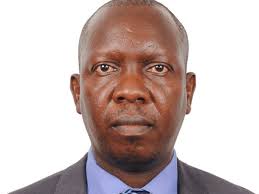
DPP Renson Igonga.
By Peter Mwibanda.
NAIROBI, Kenya (IP) — A growing storm is gathering over Kenya’s criminal justice system as critics accuse the Office of the Director of Public Prosecutions (ODPP) of weaponizing the law to crush a wave of youth-led dissent.
The backlash follows the state’s decision to charge dozens of Gen Z protesters with terrorism-related offenses under the Prevention of Terrorism Act — a move rights groups, legal experts, and civil society say amounts to criminalizing civic action and silencing political opposition.
“This is an unprecedented abuse of legal power,” said Wanjiru Gikonyo, a constitutional affairs expert. “Charging peaceful demonstrators with terrorism is not law enforcement — it’s oppression dressed in legality.”
The protesters, arrested in connection with demonstrations against the Finance Bill 2024, now face some of the country’s harshest legal penalties.
Critics argue the application of anti-terrorism laws, meant for violent extremist threats, is being misused to stifle public dissent and frighten future demonstrators.
Inside courtrooms, concerns are growing over what observers call a shift from judicial independence to judicial enforcement.
Punitive bail terms — some as high as KSh500,000 — have raised alarm about access to justice in a country where millions live below the poverty line.
“What we are seeing is judicial aggression, not judicial independence,” said constitutional lawyer Khamisi Mwakwere. “The courts should be the sanctuary of the oppressed, not the hammer of the state.”
Among those charged is prominent activist Boniface Mwangi, whose arrest has sparked fresh outrage and intensified scrutiny on DPP Renson Ingonga.
Mwangi and others are accused of participating in unlawful assemblies and being linked to terror-related disruptions — charges their defenders call politically motivated.
The Ruto administration has defended the prosecutions. Interior officials say the government is targeting lawbreakers who took advantage of peaceful protests to cause chaos and destruction but critics say the crackdown reveals a broader strategy of state control and repression.
“The state is branding critics as enemies of peace while speaking the language of violence,” said one civil society leader. “It’s not about the rule of law. It’s about ruling through fear.”
Social media has erupted with condemnation, with hashtags like #CourtsOrCages and #FreeThe37 trending nationwide.
Digital organizers and legal volunteers are coordinating pro bono legal support, court watch teams, and public vigils in support of those detained.
“The courts may jail us, but they cannot cage our voices,” said Ivy Akinyi, 23, one of the protesters arrested and later released on bond. “This is bigger than tax. It’s about our future.”
As the legal battles play out, observers warn that Kenya’s democracy is at a crossroads — one where the role of the judiciary could determine whether constitutional rights remain protected or are systematically eroded.
“This is not just about protests,” said Gikonyo. “It’s a test of whether our institutions stand with the people or fold under pressure from the Executive.”
With the 2027 general election approaching, the stakes are rising for both the government and a defiant youth movement that shows no signs of backing down.
###
Peter Mwibanda is a legal analyst, political blogger, and civic educator based in Bungoma, Kenya.