By Asa Baraka
Village elders across the country are set to receive a monthly stipend of Sh3,000 under a new government proposal aimed at formally recognising their longstanding role in grassroots administration and community security.
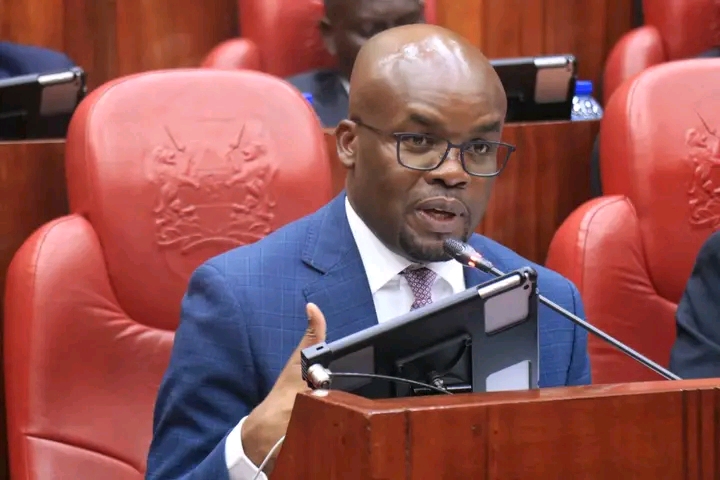
The proposal was unveiled on Wednesday by Interior Principal Secretary Dr. Raymond Omollo while appearing before the National Assembly Departmental Committee on Administration and Internal Security during deliberations on the 2026/2027 budget estimates.
According to Dr. Omollo, the programme targets approximately 110,000 village elders nationwide and marks a significant milestone in efforts to institutionalise their role within the National Administration structure.
“The conversation about village elders began in 2016 after directions from Parliament. It has taken nearly a decade of consultations and public participation to reach this stage,” said Dr. Omollo.
He revealed that the Ministry of Interior had already developed a policy framework and identification criteria to guide the recruitment and recognition of village elders eligible for the stipend.
If approved by Parliament, each elder will begin receiving Sh3,000 monthly starting in the next financial year, with the government having already set aside funds expected to sustain the programme for almost the entire fiscal period.
Dr. Omollo noted that the initiative seeks to reward village elders for the critical role they continue to play in local governance, conflict resolution, intelligence gathering and supporting chiefs and assistant chiefs in maintaining security and social order.
He, however, clarified that the government would implement strict eligibility measures to avoid duplication of state support programmes.
Elders already benefiting from government-funded initiatives such as the Inua Jamii cash transfer programme or the Community Health Promoters scheme will not qualify for the stipend.
Lawmakers welcomed the move but argued that the proposed amount was too low considering the responsibilities shouldered by village elders at the grassroots level.
Committee Chairperson and Narok West MP Hon. Gabriel Tongoyo described the proposal as historic, saying it was the first serious government effort to formally appreciate the contribution of village elders who have for years served voluntarily.
“We had nothing before, but perhaps we should have considered placing them at the same level as community health promoters,” said Tongoyo.
Teso North MP Hon. Oku Kaunya called for a clearer legal and administrative framework to define how village elders would operate within the National Administration hierarchy.
“I hope they are properly anchored within the National Administration structure. If that is the case, then I would support increasing the stipend to Sh5,000 because that would be more reasonable,” said Kaunya.
The lawmakers observed that raising the stipend to Sh5,000 would push the annual budgetary allocation to between Sh5.5 billion and Sh6 billion, but maintained that discussions with the Budget Committee and the National Treasury could still make the enhancement possible.
Tongoyo further disclosed that President William Ruto had previously hinted at government plans to support village elders during a meeting with chiefs, signaling growing State recognition of their role in community leadership and security management.
The proposed stipend is expected to boost morale among village elders, many of whom have worked for decades without pay despite being the first point of contact in resolving local disputes, mobilising communities and supporting government programmes at the village level.
The initiative now awaits parliamentary approval as part of the 2026/2027 national budget process.