


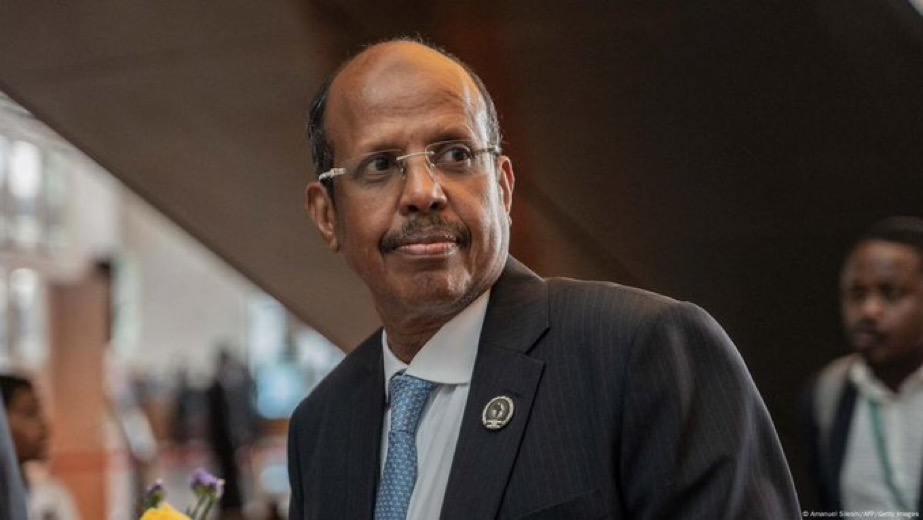
AU Chairperson Mahmoud Ali Youssouf….Photo/courtesy
By IP reporter
DAR ES SALAAM, Tanzania (Nov. 2, 2025)
The African Union’s swift endorsement of President Samia Suluhu Hassan’s re-election has sparked outrage among civil society groups, who accuse the continental body of turning a blind eye to alleged human rights abuses during Tanzania’s disputed polls.
AU Chairperson Mahmoud Ali Youssouf, who also serves as Djibouti’s foreign minister, congratulated Suluhu shortly after the announcement of her victory — even as reports of killings and a nationwide internet blackout surfaced.
His congratulatory message described the election as “a reflection of the will of the Tanzanian people,” drawing widespread backlash online.
Civil society activist Cyprian Nyakundi sharply criticized Youssouf’s remarks, calling him “the idiot of the year” and accusing African leaders of protecting each other’s long reigns.
“Youssouf congratulated Suluhu while Tanzanians were being killed and the internet was shut down,” Nyakundi said.
“No wonder he saw nothing wrong — in his own country, Djibouti’s 77-year-old ruler just changed the law to stay in power for a sixth term. Birds of the same feather guarding each other’s thrones.”
Observers say the AU’s response raises concerns about whether the continental bloc can credibly monitor elections ahead of upcoming votes in Uganda and Kenya, both expected to feature intense competition and generational clashes.
Analysts note that while the AU has often preached democracy, its record of legitimizing controversial results — from Madagascar to parts of North Africa — has eroded public trust.
In some quarters, the Union’s silence on the revolutionary movements in Madagascar and Nepal is being contrasted with its quick applause for entrenched regimes.
For many of Africa’s Gen Z voters, the Tanzanian case offers a bitter lesson: democracy on the continent may require not just ballots but boldness.
“Gen Z should brace for a fight,” Albert Wamalwa Lumumba said. “If the institutions won’t defend democracy, then the people will have to.”
As opposition figures remain under arrest in Dar es Salaam and the blackout continues, critics warn that Africa’s democracy is being defined not by the will of its youth — but by the comfort of its rulers.



