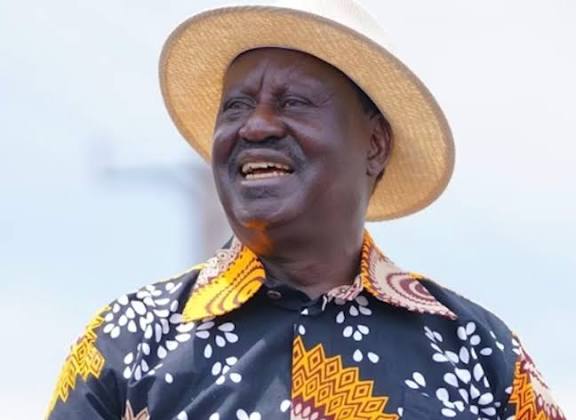
By Peter Mwibanda | The Intellectuals Post
NAIROBI, Kenya
A Nation in Mourning, a Conscience on Trial
The nation is draped in mourning. Flags fly at half-mast, tears flow freely and words of tribute echo across the land.
Yet beneath the grief surrounding the death of Raila Amolo Odinga, Kenya’s political enigma, lingers an unsettling question:
Is this grief — or guilt?
In death, we seem to have found the grace we denied him in life.
For decades, Raila Odinga was the lightning rod of Kenya’s politics — loved, hated, revered, and ridiculed in equal measure.
He was the man we blamed when the nation was divided, and the man we turned to when the nation needed healing.
Now, in his silence, we suddenly remember his sacrifices, his resilience, and his unwavering belief that Kenya could be better than its politics.
“We mourn the man who refused to surrender — yet ignored the message he lived for.”
Where were these voices when he stood alone in the storm?
The Contradictions of a Nation’s Love
Raila was never allowed the comfort of neutrality.
Every step he took was met with suspicion; every victory, with sabotage; every loss, with mockery.
Yet, he kept returning to the battlefield — not for self-preservation, but for conviction.
Now, the very voices that once called him a stumbling block to progress are eulogizing him as a statesman and patriot.
The same political elite who schemed to isolate him now drape themselves in his legacy.
The irony is breathtaking — and perhaps, tragic.
“We crucified him in politics, and now we canonize him in death.”
Maybe it isn’t grief that drives this national outpouring — maybe it’s guilt. A guilt born from realizing that the man we vilified was, in truth, the conscience we feared.
The Grace We Denied
Raila Odinga’s story is not just political — it is profoundly human.
It is the story of a man who refused to be broken by detention, betrayal, or defeat. He could have chosen silence, but he chose struggle.
He could have chosen comfort, but he chose confrontation.
He gave Kenya the gift of democracy — multiparty politics, devolution and the courage to question authority.
Yet we repaid him with insults, impatience and political expediency.
Now, as the nation mourns, we sing of his virtues. We call him Baba, Liberator, Father of the Nation.
The truth is, we denied him that honor when he could still hear it.
“In Kenya, greatness is often recognized only at the graveside.”
Between Grief and Guilt
This mourning period has become a collective mirror.
The weeping crowds are not just crying for the man — they are crying for the conscience he represented because deep down, Kenya knows it failed him.
We failed him when we allowed tribal politics to overshadow principle.
We failed him when we normalized betrayal as strategy.
We failed him when we turned his dreams into memes, and his vision into political currency.
Now, as the world watches Kenya celebrate his life, one wonders — are we truly grieving Raila Odinga or are we grieving the moral decay his death has exposed?
The Final Reckoning
Raila Odinga’s death has done what his life could not — it has united a fractured nation, if only in sorrow.
Unity built on guilt is fragile. It fades once the headlines shift and the cameras dim.
If this moment is to mean anything, it must spark a moral awakening — a commitment to finish the work he began.
Democracy, justice and equity must not die with him.
His death should not be a political reset for opportunists, but a spiritual reckoning for a nation that forgot how to honor its heroes while they breathed.
“Kenya mourns Raila Odinga not just for who he was, but for what we refused to become while he lived.”
Grief without change is hypocrisy.
And grace without truth is empty.
So let us mourn him with honesty — not flattery. Let us honor him with conviction — not convenience.
And above all, let us remember: a nation that only celebrates its prophets in death condemns itself to moral poverty.
A Nation at the Crossroads
History is watching. The torch has fallen, but its flame still burns — asking this generation to choose between memory and mission, between tribute and transformation.
If Raila’s death is to mean anything, it must awaken Kenya’s conscience — to reject the comfort of amnesia and embrace the courage of action.
Nations are not defined by the tears they shed, but by the truth they live after the tears dry.
So as the mourners disperse and the silence of history settles, one question will remain for every Kenyan heart:
Was it grief that moved us — or guilt that haunts us?
About the Author
Peter Mwibanda is a political and legal analyst, writer, and social justice advocate based in Kenya.