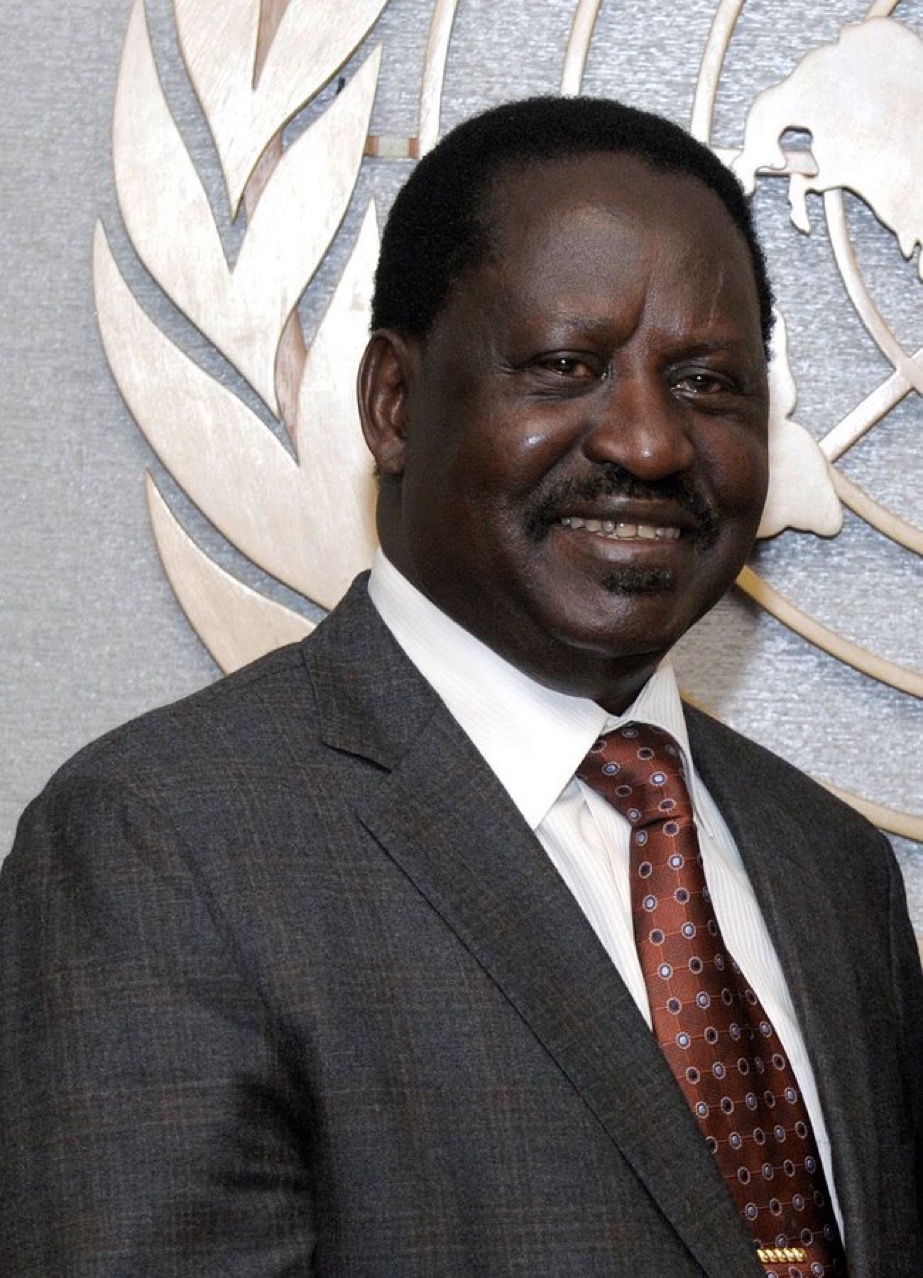
The late Raila Amollo Odinga
By Peter Mwibanda
NAIROBI, Kenya (IP)
Nairobi paused this week, not just in mourning, but in deep reflection, as the capital city bid farewell to Raila Amolo Odinga .
Raila is the man who, for decades, stood as its political compass, conscience and unrelenting voice for justice.
Often referred to as “Baba”, Raila was more than just a politician in Nairobi — he was an institution.
From the narrow corridors of Parliament to the wide avenues of Uhuru Park, where protests and prayers collided, Odinga’s presence was woven into the city’s fabric.
Now, the towering statesman has finally bowed out — leaving behind a legacy that stretches far beyond city limits and deep into the heart of the Kenyan nation.
The City That Shaped Him — And That He Helped Shape
It was in Nairobi that Raila’s political journey crystallized.
From challenging the iron grip of single-party rule in the 1980s to leading mass movements for constitutional reforms in the 1990s and beyond, he transformed the city into a national rallying point for resistance and reform.
“Raila made Nairobi the beating heart of democracy in Kenya,” said a former political ally. “He turned this city into a podium — not for power, but for the people.”
During the darkest days of political repression, Raila was imprisoned and tortured — yet he emerged stronger, sharpening his voice against dictatorship and leading Kenya’s charge toward multiparty democracy.
Through every twist of the nation’s political evolution, Nairobi remained his frontline.
Local Roots, Global Recognition
Even as his influence spread nationally and across Africa, Raila’s political roots remained firmly planted in Nairobi.
Constituents in Lang’ata, where he served as MP for over two decades, remember him not just as a leader — but as a neighbor, a listener, and a fighter for everyday dignity.
Internationally, he became one of the most recognizable African voices for democratic governance.
From the African Union to global forums on peace and development, Odinga was a regular presence — respected for both his experience and moral authority.
Yet, he never abandoned his role as Nairobi’s “political father.”
“Whether it was a slum dweller in Kibera or a diplomat in Gigiri, Raila spoke to both — and fought for both,” said a local resident.
Bowing Out, Not Backing Down
As the political giant finally takes his bow, leaders across the continent have paid tribute to his unyielding spirit.
President William Ruto described Raila as “a relentless force for democracy whose voice shaped a generation,” while opposition leaders hailed him as “the father of multiparty politics in modern Kenya.”
Though his physical voice may now be silent, the city he helped shape — and the causes he championed — will continue to echo with his influence.
His family has pledged to uphold his legacy, and many younger leaders cite him as their political compass. A new generation has inherited the city, but they do so in the shadow of a man whose shoes may never be fully filled.
Nairobi Remembers
As Nairobi’s skyline fades into dusk, so too does a chapter in Kenya’s political history — one marked by sacrifice, resilience, and tireless pursuit of justice.
But the story is not over.
Raila Odinga may have bowed out, but the movement he led, the city he loved, and the ideals he lived for — freedom, equity, and unity — remain.
And in the streets of Nairobi, from City Stadium to Kenyatta Avenue, one message is clear: Baba may rest, but his struggle lives on.
END
Intellectualspost.co.ke