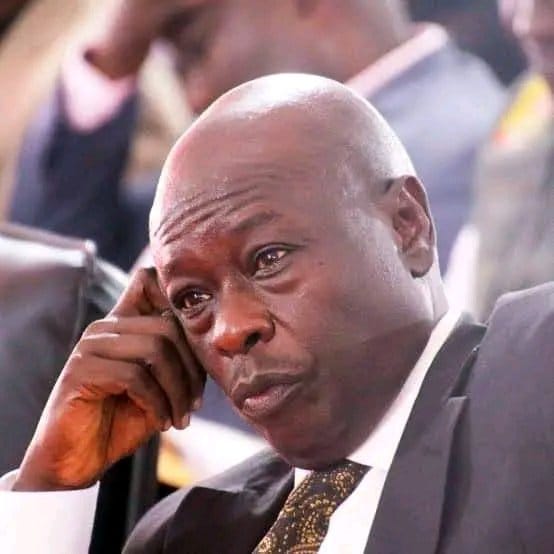
Impeached D.P. Rigathi Gachagua.
By I.P. Team.
From the moment Rigathi Gachagua took office as Deputy President, his aggressive and confrontational style has sparked controversy and garnered attention, but at what cost?
Political leaders and analysts are increasingly concerned that his relentless attacks on the opposition have alienated potential allies and fostered division within the country.
Gachagua’s decision to adopt an abrasive stance, particularly in the aftermath of a contentious election, has been perceived as a major miscalculation.
Rather than striving for unity in a politically diverse landscape, he has deepened existing rifts, pushing away individuals and groups who might have been potential partners in governance.
Critics argue that he should have seized the opportunity to build bridges across various factions, using his platform to promote dialogue and collaboration instead of conflict.
The political climate in Central Kenya is especially fraught, as voters are astute and increasingly aware of the dynamics at play.
Many in this region are not only educated but also capable of discerning threats to their interests.
As one expert noted, “The people know how to make revenge. They clearly know who the enemy is.”
This sentiment underscores a growing concern that Gachagua’s current trajectory could lead to significant political backlash, especially with elections looming just three years away.
Looking ahead, Gachagua’s approach could have lasting implications for his political future.
The opportunity to redefine his leadership style and engage in more inclusive politics remains, but time is running short.
If he continues down this divisive path, he risks solidifying his status as a controversial figure rather than a unifying leader.
As Kenya prepares for the next election cycle, the stakes are high for Gachagua.
His actions in the coming months will determine not only his political survival but also the broader dynamics of Kenya’s political landscape.
The question remains: will he choose to pivot toward a more conciliatory approach, or will he persist in a strategy that may ultimately isolate him from the very constituents he seeks to lead?
Ends.