


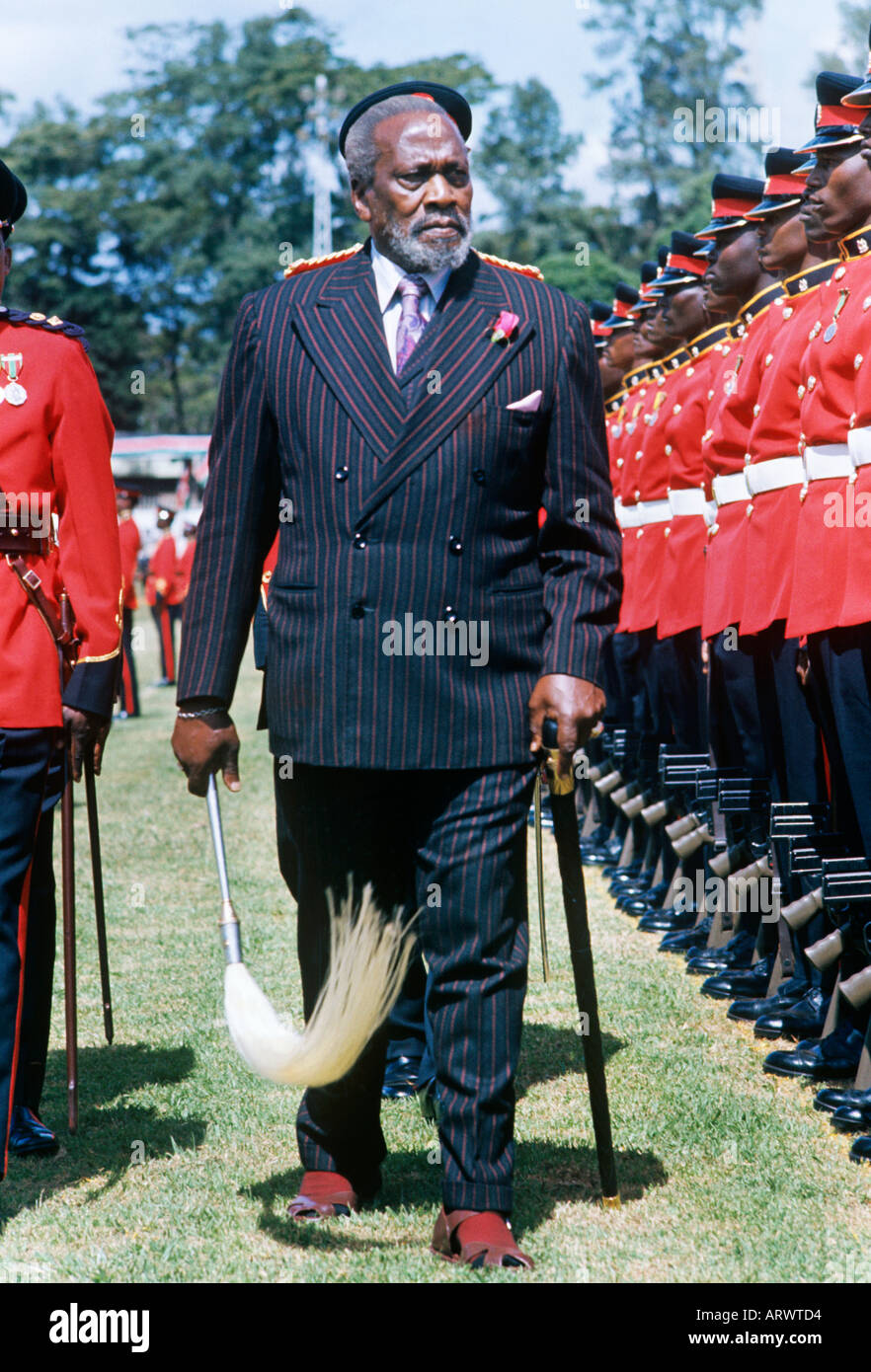
Kenya’s First President the late Jomo Kenyatta..Photo..Courtesy.
By Mwibanda.
Political ethnonisation refers to the manipulation of ethnic identities in political contexts, significantly shaping Kenya’s political landscape since independence in 1963.
This phenomenon affects party formation, electoral outcomes, and governance, raising critical concerns about national cohesion and peaceful coexistence among diverse communities.
Historical Context.
Kenya, home to over 40 ethnic groups, has a complex history marked by colonial favoritism that established deep ethnic divisions.
After independence, political leaders exploited these divisions for electoral gain, fostering a culture where ethnic loyalty often supersedes national identity.
This manipulation intensified during elections, leading to violence, particularly evident in the 2007-2008 post-election crisis, which resulted in significant loss of life and displacement.
Mechanisms of Ethnonisation.
1. Political Parties and Ethnic Representation: Political parties often align with specific ethnic groups, creating ethnically homogeneous organizations.
This reliance on ethnic mobilization marginalizes minority groups and undermines broader national interests.
2. Resource Allocation: Ethnic biases in national resource distribution exacerbate inter-ethnic tensions, as leaders prioritize their own communities, leading to feelings of alienation among others.
3. State Institutions: Bias in public appointments and law enforcement fosters perceptions of inequality, contributing to mistrust among communities and undermining national unity.
Impact on National Cohesion.
The effects of political ethnonisation on national cohesion are profound:
– Erosion of Trust: Citizens increasingly view government actions as favoring specific groups, leading to disenfranchisement and apathy toward governance.
– Polarization: Emphasizing ethnic identity in politics fosters community polarization, hindering the development of a cohesive national identity.
– Violence and Conflict: Historical manipulation of ethnic identities has led to violence, as seen in the 2007-2008 crisis, with devastating consequences for national stability.
Pathways to Peaceful Coexistence.
To mitigate the effects of political ethnonisation and promote national cohesion, several strategies can be implemented:
1. Inclusive Governance: Policies that prioritize inclusivity in government can help bridge ethnic divides, ensuring equitable representation and fostering a sense of belonging.
2. Civic Education: Promoting civic education that emphasizes national identity can reshape public perceptions and encourage dialogue across communities.
3. Institutional Reforms: Strengthening institutions to operate transparently and fairly is crucial for equitable resource allocation and public service delivery.
4. Conflict Resolution Mechanisms: Establishing community-based conflict resolution processes can address grievances and foster peaceful coexistence, integrating traditional practices with modern approaches.
Conclusion.
Political ethnonisation presents significant challenges to national cohesion and peaceful coexistence in Kenya.
A concerted effort from political leaders, civil society, and citizens is essential to foster an inclusive environment where all ethnic groups feel valued.
By prioritizing national identity over ethnic loyalty, Kenya can move toward a more unified and peaceful society, celebrating its diversity rather than allowing it to be exploited.
Ends.



