By Mwibanda
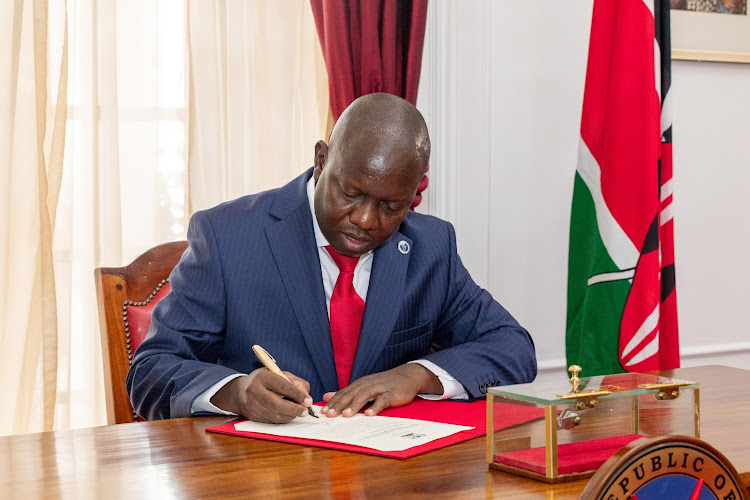
Recent months have witnessed a seismic shift in Kenya’s judicial landscape, with a series of high-profile criminal cases being withdrawn or quietly closed by the Director of Public Prosecutions (DPP). These cases, once seen as crucial in the battle against corruption, are now stirring controversy and revealing a complex web of influence and power.
The Shockwaves of Case Withdrawals
One of the most startling developments is the abrupt withdrawal of a Sh6 billion fraud case related to the National Youth Service (NYS). This case, a symbol of grand-scale corruption, has faced unexpected closure, sparking protests from investigators who view it as a surrender to powerful interests.
The controversy extends beyond the NYS case. High-profile cases against figures such as Tharaka Nithi Governor Muthoni Njuki, former Cabinet Secretary Najib Balala, ex-Kakamega Governor Wycliffe Oparanya, and former Nairobi Governor Mike Sonko have also been shelved. Each of these cases, marked by significant public and political interest, has seen its legal proceedings quietly dissolve.
Leaked Letters: A Glimpse Behind the Curtains
The situation has been compounded by the release of leaked letters, suggesting that influential entities may be orchestrating these withdrawals from behind the scenes. These documents indicate a possible strategy to neutralize or dismantle cases that pose a threat to the interests of Kenya’s political and business elite.
The revelations have sparked intense scrutiny and debate. The public and investigative bodies are left questioning whether these withdrawals result from genuine legal reassessments or if there is a more sinister agenda at play.
Implications for Kenya
The withdrawal of these high-profile cases raises several critical issues. Primarily, it casts doubt on the integrity of Kenya’s legal system. When high-profile cases are dismissed without clear justification, it undermines public trust in the justice system and raises concerns about fairness.
Moreover, the apparent influence of powerful figures on legal outcomes could dissuade whistleblowers and weaken efforts to combat corruption. If those with significant power can evade accountability, it sets a troubling precedent for future legal proceedings.
Conclusion
As Kenya grapples with this judicial turbulence, the need for transparency and accountability is more pressing than ever. The current crisis highlights the necessity for reforms to ensure that the DPP and other legal institutions operate independently and without undue influence. Only through such reforms can Kenya hope to restore confidence in its legal processes and uphold the rule of law.
The ongoing drama surrounding these case withdrawals represents more than just a legal issue—it’s a test of Kenya’s commitment to justice and integrity. As new details emerge, the public remains vigilant, hoping for clarity and accountability in the face of powerful interests shaping the course of justice.