

In a landmark decision, the Africa Centres for Disease Control and Prevention (Africa CDC) has declared the ongoing Mpox outbreak a Public Health Emergency of Continental Security (PHECS). This marks the first time the agency, established in 2017, has made such a declaration. The move underscores the urgency of the situation and the need for coordinated action across the continent.
Empowering a Coordinated Response
Under Article 3, Paragraph F of the Africa CDC Statutes, this declaration empowers the organization to lead and coordinate responses to significant health emergencies. The statute mandates Africa CDC to coordinate with Member States in health emergency responses, particularly for emergencies like this one or those declared as Public Health Emergencies of International Concern (PHEIC). This includes health promotion, disease prevention, and strengthening health systems.
The declaration will facilitate the mobilization of critical resources across affected countries. This includes unlocking essential funding, enhancing Risk Communication and Community Engagement (RCCE), boosting surveillance and laboratory testing efforts, and improving human resource capacities to respond effectively to Mpox through a One Health approach.
A Call to Action
Africa CDC Director General Dr. Jean Kaseya emphasized the necessity for immediate and decisive action: “Today, we declare this PHECS to mobilize our institutions, our collective will, and our resources to act—swiftly and decisively. This empowers us to forge new partnerships, strengthen our health systems, educate our communities, and deliver life-saving interventions where they are needed most. There is no need for travel restrictions at this time.”
The Mpox outbreak has now affected at least 12 African countries, including new hotspots like Burundi, Kenya, Rwanda, and Uganda. As of mid-2024, 2,863 cases and 517 deaths have been reported, primarily in the Democratic Republic of the Congo (DRC). Suspected cases across the continent have surged past 17,000, a sharp increase from previous years. The rise in cases reflects ongoing challenges in surveillance, laboratory testing, and contact tracing.
Urgent Need for Global Support
Dr. Kaseya noted the gravity of the situation, emphasizing that it is a crisis requiring a united response: “This is not just another challenge; it’s a crisis that demands our collective action. The Africa CDC Statutes mandate us to lead and coordinate the response when a public health emergency of international concern is declared.”
From May 2022 to July 2023, Mpox was classified as a Public Health Emergency of International Concern (PHEIC) by the WHO. However, Africa did not receive the support it needed during this period. Dr. Kaseya called for a shift in approach: “We urge our international partners to seize this moment to act differently and collaborate closely with Africa CDC to provide the necessary support to our Member States.”
Strategic Partnerships and Vaccine Distribution
In response to the crisis, Africa CDC has established a 25-member Incident Management Team based at the epicenter of the Mpox epidemic. This team will support affected and at-risk countries. Additionally, Africa CDC has partnered with the European Commission’s Health Emergency Preparedness and Response Authority (HERA) and Bavarian Nordic to distribute over 215,000 doses of the MVA-BN® vaccine, the only FDA and EMA-approved Mpox vaccine. The goal is to ensure equitable distribution based on local needs across affected Member States.
Understanding Mpox: Symptoms, Prevention, and Treatment
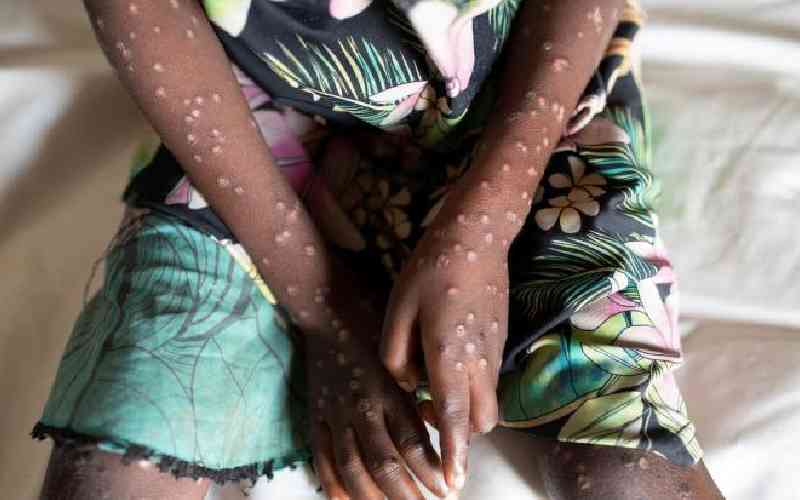
Mpox, caused by the monkeypox virus, presents with symptoms such as a skin rash or mucosal lesions lasting 2–4 weeks, fever, headache, muscle aches, back pain, low energy, and swollen lymph nodes. The virus spreads through physical contact with an infected person, contaminated materials, or infected animals. Prevention includes avoiding contact with infected individuals and practicing good hygiene. Treatment focuses on symptom management and supportive care.
Conclusion
The Africa CDC’s declaration of Mpox as a Public Health Emergency of Continental Security highlights the critical need for coordinated efforts to combat the outbreak. With increased support, improved surveillance, and strategic vaccination efforts, Africa can address this crisis effectively. The global community’s solidarity and action are essential to mitigating the impact of this outbreak and safeguarding public health across the continent.
For more updates on the Mpox outbreak and ongoing response efforts, stay tuned to our blog.
Africa CDC Declares Mpox a Continental Health Emergency


- Advertisment -

