


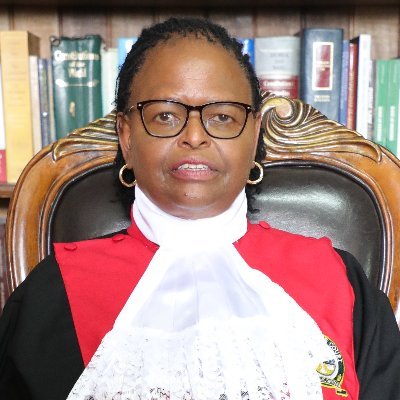
Chief Justice Martha Koome.
By I.P. reporter
NAIROBI, Kenya.
Justice Heston Nyaga has called for urgent legislative reforms to address a critical gap in Kenya’s legal framework, which leaves minors charged with crimes unprotected if they reach adulthood before their trial concludes.
Speaking at a recent judicial forum, Nyaga emphasized that the Children Act lacks provisions to safeguard these individuals.
Once they turn 18, they no longer qualify for protections afforded to minors, yet they are also not fully integrated into the adult justice system.
“This gap leaves young individuals in legal limbo,” Nyaga said. “We need clear, robust guidelines to ensure fair treatment for these vulnerable groups throughout the judicial process.”
Legal and Ethical Concerns.
The Children Act of 2001 governs the rights and welfare of children in Kenya, offering special protections to minors charged with criminal offenses.
These measures prioritize rehabilitation over punishment and mandate the use of children’s courts to provide a supportive environment.
However, when trials are prolonged, suspects initially charged as minors often turn 18 before the case concludes.
This situation raises questions about whether they should continue under the juvenile system or transition to adult courts.
Without legislative clarity, courts navigate this gray area on a case-by-case basis, leading to inconsistent outcomes.
Call for Reform.
Nyaga urged lawmakers to amend the Children Act, proposing transitional provisions to protect individuals who age out of the juvenile justice system during ongoing trials.
“Legislative reform is necessary to close this gap,” Nyaga said. “We need clear guidelines to ensure justice is not only done but seen to be done, especially for vulnerable groups like minors.”
The proposed changes would align with Kenya’s commitments under international treaties, such as the Convention on the Rights of the Child, which requires the fair and dignified treatment of all children.
Proposed Solutions.
Nyaga suggested key considerations for reform:
1. Defining Transitions: Establish criteria for how and when a suspect transitions from the juvenile to the adult justice system.
2. Safeguarding Rights: Ensure protections, such as access to rehabilitation programs and child-sensitive court procedures, for individuals who age out of the juvenile system.
3. Preventing Delays: Address systemic delays that prolong trials and exacerbate the issue.
A Legislative and Moral Imperative.
This reform would not only close a legislative gap but also uphold the rights and dignity of young people in conflict with the law.
“Amending the Children Act is a legislative necessity and a moral imperative,” Nyaga said.
By acting promptly, lawmakers can strengthen Kenya’s justice system and ensure it serves all citizens fairly and equitably.
Ends.



