By Godfrey Wamalwa
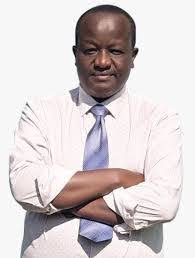
The race for the Kimilili parliamentary seat is gaining momentum, with aspirant Masinde Nguti positioning himself on a development-heavy platform anchored on a promise of targeted benefits—popularly termed as “goodies”—for constituents.
Speaking to this newspaper, Nguti framed his agenda as a strategic political blueprint aimed at addressing long-standing socio-economic challenges in the constituency.
He said his bid is informed by the need to recalibrate leadership priorities toward service delivery, inclusivity, and grassroots empowerment.
“This is not about populism; it is about responsive leadership. The so-called ‘goodies’ are structured interventions designed to uplift households and restore dignity among our people,” Nguti told this newspaper.
At the core of his campaign is a promise to expand access to education through bursaries, stimulate micro-enterprises among youth and women, and improve healthcare services.
He has also pledged to lobby for increased agricultural support, a move seen as politically significant in a constituency where farming remains the backbone of the local economy.
Nguti’s messaging appears tailored to resonate with a broad voter base, particularly young people and small-scale traders, who form a decisive voting bloc.
Political observers note that his strategy reflects a calculated attempt to merge development rhetoric with electoral appeal in a highly competitive race.
However, his proposals have sparked debate within local political circles, with critics questioning the sustainability and funding of such initiatives.
Analysts argue that while development promises are central to campaign narratives, voters are increasingly demanding clarity on implementation frameworks and accountability mechanisms.
The Kimilili contest is shaping up as a key political battleground in Bungoma County, with aspirants seeking to differentiate themselves through policy-driven campaigns rather than personality politics alone.
As campaigns intensify, Nguti’s “goodies” pledge is likely to remain a focal point of political discourse, testing its resonance among voters and its viability as a campaign strategy in the run-up to the general election.