President Dr. William Samoei Ruto addressing the nation in a past function.
*Government Allocates KSh 100 Million and Forms Task Force to Tackle Crisis
By Peter Mwibanda
NAIROBI.
President William Ruto has taken a decisive step in addressing Kenya’s rising femicide crisis, committing KSh 100 million to a nationwide campaign against the vice.
The President formed a working group to identify and close gaps in the legal, enforcement and societal frameworks that perpetuate gender-based violence.
The initiative, approved by the Cabinet, underscores the urgent need for action as femicide cases in the country continue to climb.
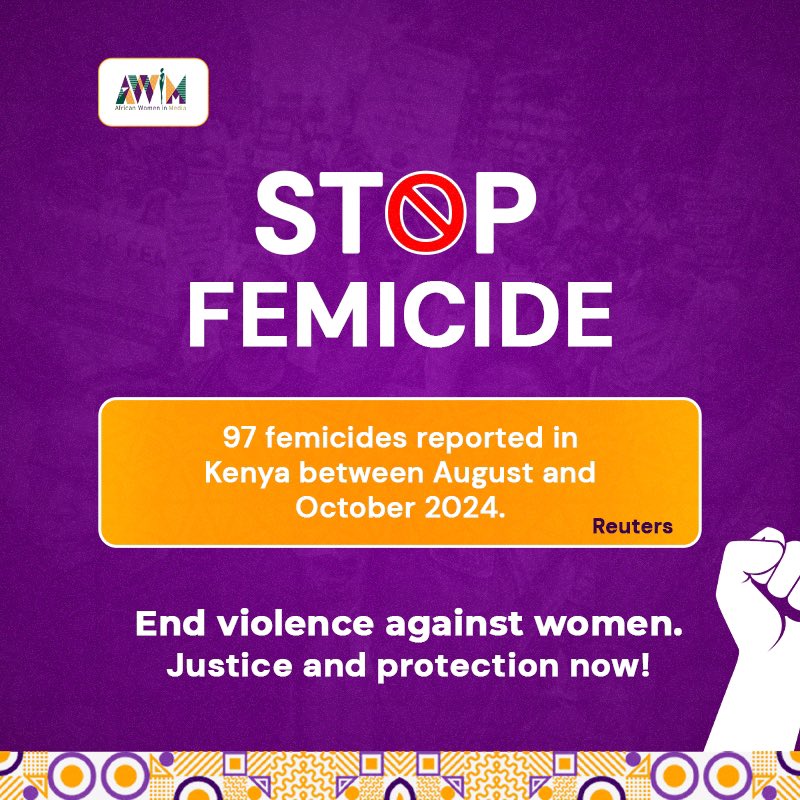
According to a recent report by the Kenya National Bureau of Statistics (KNBS), at least 500 cases of femicide were recorded between 2021 and 2023, highlighting the growing prevalence of gender-based killings.
A 2023 report by the National Gender and Equality Commission (NGEC) further revealed that 39% of women in Kenya have experienced intimate partner violence.
The Femicide Crisis in Kenya:
Femicide is the intentional killing of women and girls because of their gender that has left many Kenyan families devastated.
The killings often arise from intimate partner violence, dowry disputes, honor-based violence, or harmful cultural practices.
The cases of femicide not only threaten the safety of women and girls but also erode the nation’s commitment to equality and human rights.
President Ruto’s pledge sends a clear message that the time for change is now.
Types of Femicide and Their Causes:
1. Intimate Partner Femicide: The most common type, where women are killed by current or former partners. Early interventions can often prevent these tragedies.
2. Honor Killings: Driven by cultural norms, these occur when women are killed for perceived violations such as refusing arranged marriages.
3. Dowry-Related Femicide: Some communities still practice killings related to dowry disputes, reinforcing patriarchal customs.
4. Sexual Violence-Related Femicide: Escalation of sexual violence can lead to femicide, fueled by societal impunity.
5. Cultural and Ritual Femicide: Practices like female genital mutilation (FGM) can result in fatal outcomes or societal neglect.
6. Mass Femicide: In conflict zones, women are often killed as tools of war or community intimidation.
Government’s Multi-Pronged Approach:
The formation of the working group reflects the complexity of addressing femicide. The strategy will focus on:
1. Legal Reforms: Strengthening laws to ensure perpetrators face swift justice and closing legislative loopholes.
2. Law Enforcement Training: Equipping police with gender-sensitive approaches to support victims and handle cases effectively.
3. Community Engagement: Promoting education and grassroots campaigns to dismantle harmful norms and foster gender equality.
4. Victim Support: Establishing safe houses, counseling, and empowerment programs for survivors.
5. Data Collection: Improving data on femicide cases to inform policy decisions and track progress.
Renewed Hope for a Safer Future:
With President Ruto spearheading this campaign, there is renewed hope for Kenyan women and girls.
The political will, coupled with financial backing and strategic interventions, signals a critical turning point in the fight against femicide.
By addressing the root causes and fostering a culture of equality and respect, Kenya aspires to become a beacon of progress in the battle against gender-based violence — not just in Africa, but globally.
Ends.