


By I.P. reporter.
Masturbation is a natural activity that many engage in for stress relief, relaxation, or personal exploration.
However, when it becomes excessive or compulsive, it can negatively impact mental health, relationships, and daily life. Here’s a closer look at the potential effects:
Addiction and Behavioral Consequences.
Frequent masturbation, especially to escape stress or emotional challenges, can develop into a compulsive behavior akin to addiction.
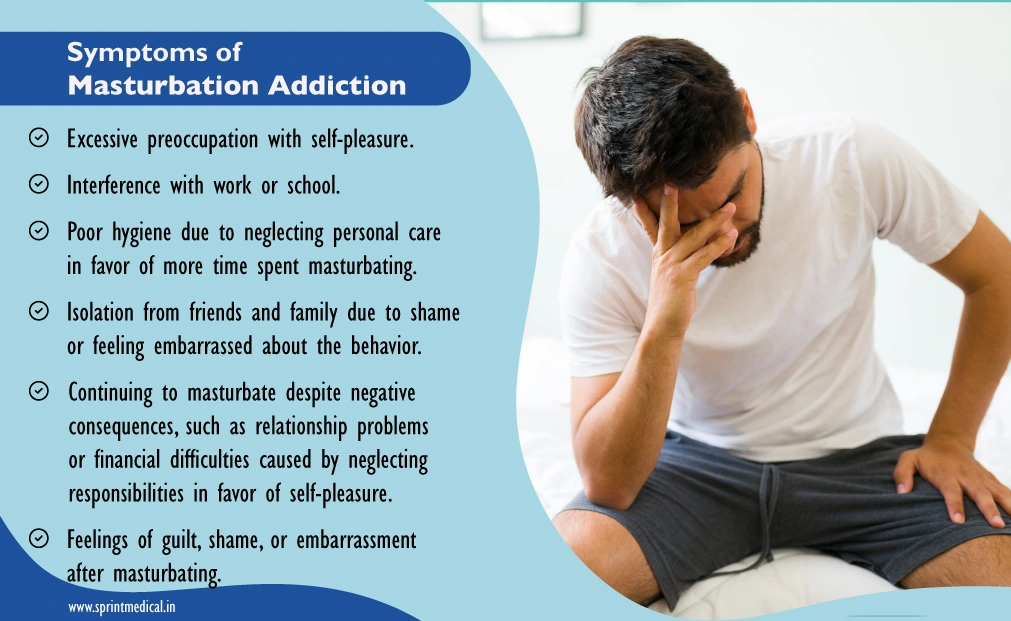
Signs of excessive masturbation include:
-Experiencing significant distress or guilt after the act.
-Engaging in the activity multiple times daily as a coping mechanism.
-Neglecting responsibilities, relationships, or social interactions.
-Injuring oneself during the act or feeling persistent genital pain.
-Struggling with an overwhelming and constant preoccupation with sexual thoughts.
Such behaviors can disrupt an individual’s routine, leading to social isolation, reduced productivity, and strained relationships.
Mental Health Implications.
Excessive masturbation may contribute to feelings of stress, guilt, or shame, particularly when it interferes with one’s ability to maintain balance in life.
It can exacerbate underlying issues such as anxiety or depression, especially if it becomes a primary method of coping with emotional difficulties.
Stress Relief vs. Stress Amplification.
While sexual activity, including masturbation, can release oxytocin and prolactin, promoting relaxation and reducing stress hormones like cortisol, overindulgence may have the opposite effect.
For some, compulsive behavior can increase feelings of inadequacy, frustration, or stress when trying to meet life’s demands.
Finding Balance.
Maintaining a healthy relationship with one’s sexuality involves moderation, self-awareness, and addressing underlying emotional needs.
When masturbation becomes problematic:
1. Adopt Alternative Coping Mechanisms: Practice mindfulness, engage in hobbies, or pursue physical activities to relieve stress and manage emotions.
2. Seek Support: Talking to a trusted friend, counselor, or therapist can help address compulsive behaviors and underlying triggers.
3. Set Boundaries: Limit time spent on triggers like explicit content and focus on fostering meaningful connections.
The Role of Spirituality and Personal Growth.
For those struggling with compulsive habits, integrating spiritual or moral principles may offer additional support.
Reflecting on personal values, practicing self-discipline, and seeking a sense of purpose can contribute to breaking unhealthy cycles and promoting overall well-being.
A balanced approach that considers physical, mental, and emotional health can help individuals regain control and maintain a positive relationship with their sexuality.
Ends.



