By Micah Sali.
Imagine a future where farmers in Bungoma,Trans Nzoia,Busia, Kakamega,Siaya,Migori,Homabay and Kisumu grow export-quality chilies, herbs, and French beans under guaranteed contracts.
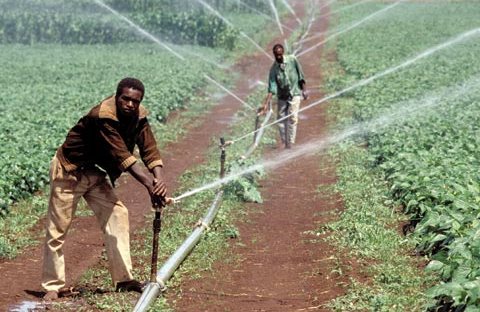
Solar panels power irrigation systems, ensuring crops thrive even during dry spells.
Trucks transport produce to nearby airports, ready for export to Europe.
Farmers no longer worry about market access or price volatility—they know their harvest is already sold.
Young people, armed with agricultural degrees, manage farms, provide extension services, and innovate within the supply chain.
This vision is not far-fetched. With support from the government, financial institutions, and agribusiness firms.
Western Kenya can lead the country in contract farming, creating wealth and transforming lives.
Western Kenya has everything needed to thrive in contract farming—fertile land, ample rainfall, and growing infrastructure which include the Kisumu,Eldoret International airports and the upcoming Matulo International airport.
By embracing high-value crops and leveraging renewable energy, farmers can unlock lucrative export markets.
Coffee, cocoa, and traditional horticultural crops are just the beginning of what this region can offer.
Contract farming involves production by farmers under agreement with buyers for their outputs.
This arrangement can help integrate small-scale farmers into modern agricultural value chains, providing them with inputs, technical assistance, and assured markets.
Addressing Land Reclamation and Environmental Restoration.
1. Reclaiming Wetlands for Sustainable Use.
Wetlands in Teso,Tongaren,Budalang’i,Ahero,Bungoma West,Bumula and Migori have suffered from unsustainable practices.
Contract farming can offer alternative livelihoods, encouraging sustainable farming systems such as eco-friendly nrice cultivation or vegetable farming.
Farmers can adopt agroecological practices to restore wetland health while maximizing productivity.
2. Moving Away from Tobacco Farming.
In regions like Bungoma West and Mount Elgon, tobacco farming has led to deforestation and soil degradation.
Transitioning to high-value export crops under contract farming agreements can provide better income while restoring environmental balance.
Farmers can replace tobacco with crops like cotton, bananas, or indigenous vegetables, which are less harmful to the environment and have high demand.
3. Agroforestry and Reforestation Initiatives.
Integrating agroforestry with crops like coffee and cocoa can help combat deforestation.
Shade trees not only enhance crop quality but also restore ecosystems.
Contract Farming for Additional Crops.
1. Cotton.
Cotton can thrive in areas transitioning from tobacco farming. With global demand for organic and sustainably produced cotton, farmers can benefit from contracts with textile exporters.
Government and private firms should provide inputs like seeds and technical training on sustainable cotton production.
2. Guavas and Mangoes.
Western Kenya’s guava and mango varieties, known for their unique flavor profiles, have great potential for export, especially to Europe and the Middle East.
Value addition through juicing and drying could also create additional revenue streams.
The late President Mwai Kibaki advised westtern Kemya politicians to forego sugarcane farming and concentrate on planting quavas,a statement that was not taken lightly by western Kenya residents but can now be valuable once guavas are planted for export.
3. Bananas and Tomatoes.
Bananas and tomatoes, already grown widely in the region, can be standardized for export through contracts.
Solar-powered processing facilities can help extend shelf life by producing banana chips and tomato paste.
4. Indigenous Vegetables.
Indigenous vegetables such as kunde (cowpea leaves), managu (black nightshade), and saga (spider plant) are gaining popularity globally for their nutritional value.
Contract farming can tap into this niche market, with exporters targeting diaspora communities.
Key Steps to Make These Crops exports ready.
1. Improve Quality Standards.
Train farmers on good agricultural practices, including proper harvesting and post-harvest handling, to meet international export standards.
2. Invest in Agro-Processing.
Develop processing plants for crops like mangoes and tomatoes to ensure value addition and minimize post-harvest losses.
3. Strengthen Farmer Organizations.
Form cooperatives to pool resources, negotiate better contracts, and access financing.
4. Policy and Market Support.
Enact favorable policies that support crop diversification and promote environmental conservation.
Facilitate market linkages between farmers and exporters.
Key Steps to Get Started:-
1. Education and Training:
Farmers need practical knowledge on good agricultural practices and export standards.
2. Infrastructure Development:
Ensure airports and cold storage facilities are operational to support exports.
3. Policy Support:
Simplify regulations and taxes to encourage participation in contract farming.
4. Collaboration:
Partner with exporters and agribusiness firms to secure contracts and access financing.
5. Inclusion of Coffee and Cocoa:
Promote specialty coffee and cocoa production through cooperatives and direct contracts with buyers.
The future is bright for Western Kenya’s farmers, but the journey begins with a commitment to change and a vision for success.
Senators in Western Kenya can prepare the region through proper legislation that can encourage farmers to venture into contract farming for export.
Ends.
The writer is the main editor at I.P. publications.