By Mwibanda.
Introduction.
Kenya is currently grappling with significant challenges related to state capture and the erosion of constitutional governance.
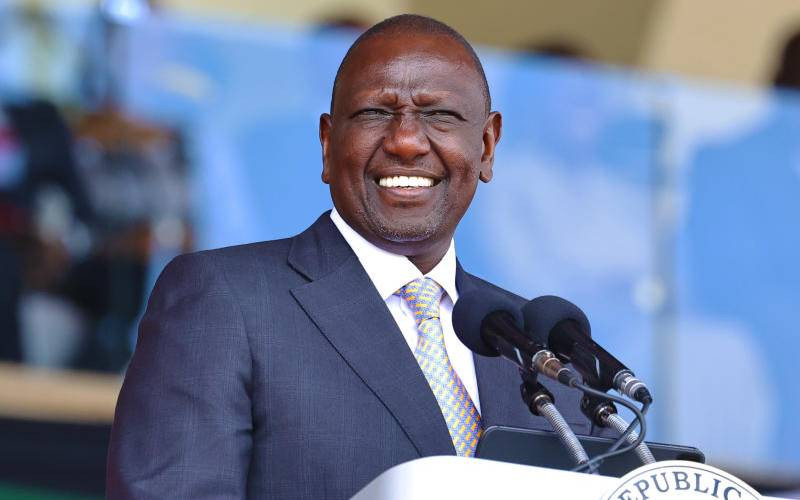
The suspension of constitutionalism under President William Ruto’s administration raises pressing questions about the future of democracy and the rule of law in the country.
With the president seemingly having the final say on critical national issues, Kenya is on a precarious path as it approaches the 2027 elections.
The State of Governance in Kenya.
State capture refers to the process by which powerful individuals or groups manipulate state institutions to serve their interests, undermining democratic governance.
In Kenya, this phenomenon has manifested in various ways, particularly within the three arms of government: the executive, legislature, and judiciary.
President Ruto’s administration has been criticized for actions that appear to consolidate power within the executive branch, raising alarms about the independence of the judiciary and the legislative oversight function.
The recent swearing-in of Deputy President kithiki kithure , despite pending legal appeals regarding the election results, exemplifies the troubling trend of sidelining constitutional procedures.
Constitutionalism Under Threat.
Constitutionalism is the principle that government authority is derived from and limited by a constitution.
However, Ruto’s government seems to be navigating a path that undermines this principle. With the president making unilateral decisions, the checks and balances that should exist between the branches of government are eroding.
For instance, the Chief Justice’s decision to swear in a deputy while legal challenges remain unresolved raises serious concerns.
It not only questions the integrity of the judicial process but also sets a dangerous precedent where political expediency trumps legal principles. Such actions can further entrench a culture of impunity, where leaders operate without accountability.
Navigating Forward Toward 2027.
As Kenya looks toward the 2027 elections, the country faces critical challenges in restoring constitutional order.
To navigate this precarious situation, several steps can be taken:
1. Strengthening Judicial Independence: It is vital to reinforce the judiciary’s role as an impartial arbiter. This includes protecting judges from political pressures and ensuring that legal processes are respected.
2. Enhancing Civic Engagement: Civil society organizations and the public must remain vigilant and active in holding the government accountable. Grassroots movements can play a crucial role in advocating for transparency and adherence to constitutional norms.
3. Promoting Legislative Oversight**: The parliament must reassert its role as a check on executive power. This can be achieved through active debate and scrutiny of government actions, ensuring that legislative procedures are respected.
4. Encouraging Dialogue: Engaging in constructive dialogue among political factions can help mitigate tensions and promote a shared commitment to democratic principles. Inclusive discussions about governance reforms can pave the way for a more stable political environment.
Conclusion.
Kenya stands at a crossroads. The current trajectory poses risks not only to constitutionalism but also to the broader democratic fabric of the nation.
As the country approaches the next electoral cycle, it is imperative for all stakeholders—government, judiciary, civil society, and citizens—to work collaboratively to safeguard the rule of law.
Only through concerted efforts can Kenya hope to emerge from this crisis and build a resilient democracy that respects the principles of constitutional governance.
Ends.