By Swaleh
Current Context
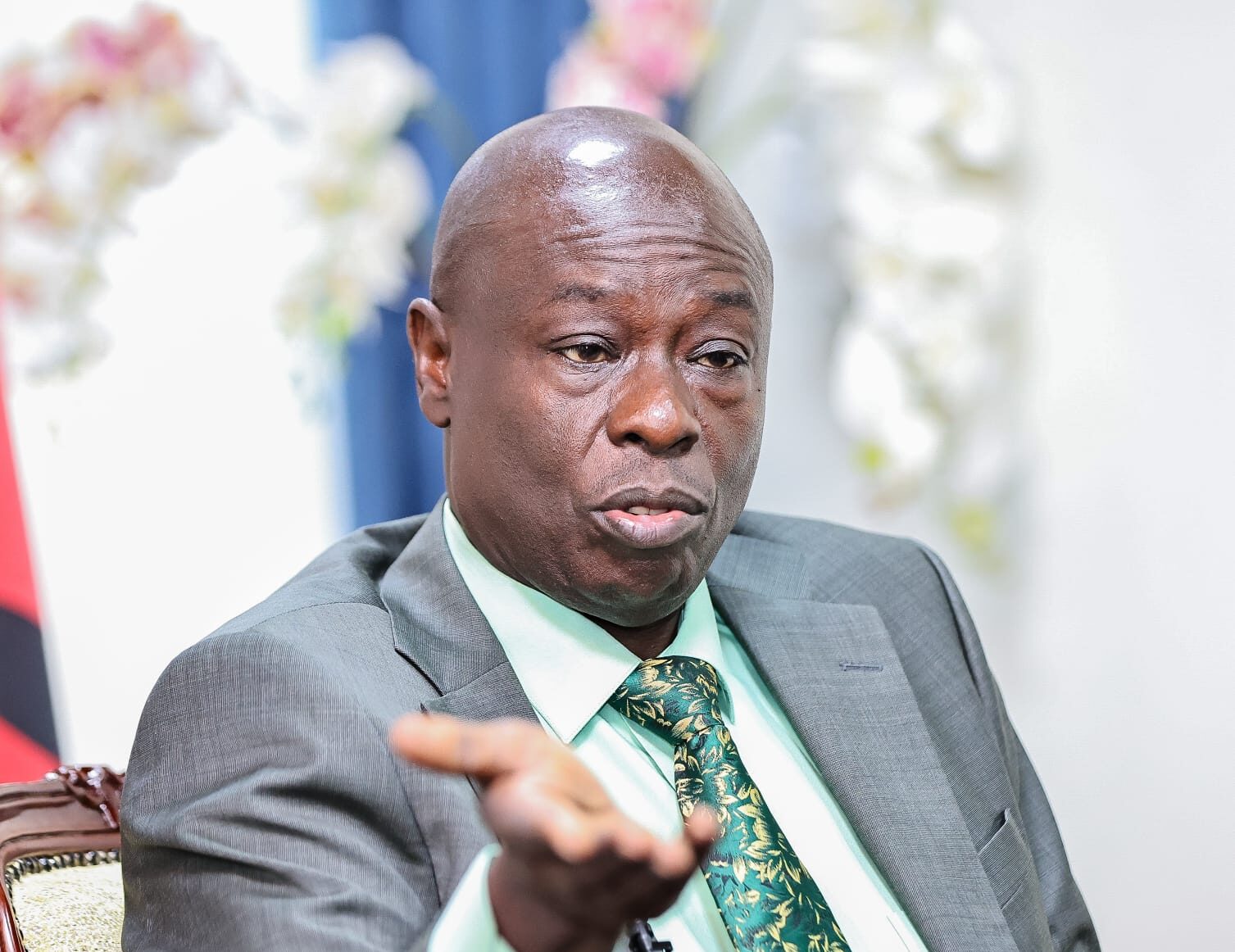
Deputy President Rigathi Gachagua is facing potential impeachment amid growing dissatisfaction within the ruling Kenya Kwanza coalition, particularly from members of the UDA party. Criticism of his leadership style has intensified, especially from leaders in the Mt. Kenya East region.
Constitutional Framework
The Kenyan Constitution, specifically Article 150, outlines the grounds for impeaching a Deputy President:
Grounds for Impeachment: A Deputy President may be removed for violating the law, engaging in serious misconduct, or being incapacitated (physically or mentally) in their duties.
Impeachment Motion Requirements: An impeachment motion must be backed by at least one-third of the Members of Parliament (MPs) in the National Assembly, which amounts to 117 MPs.
Voting Threshold
For Gachagua to be removed from office, both the National Assembly and the Senate must approve the impeachment with a two-thirds majority. This requires:
National Assembly: 233 votes
Senate: 45 votes
Political Implications
The push for Gachagua’s ouster reflects deeper tensions within the coalition and could lead to significant shifts in the political landscape. This internal discord underscores the fragility of political alliances in Kenya, where loyalties can change rapidly.
Conclusion
The potential impeachment of Rigathi Gachagua highlights the complex interplay of legal, political, and personal dynamics within Kenyan politics. Observers will be closely monitoring the situation, given the high stakes for both Gachagua and the ruling coalition.