By Mwibanda
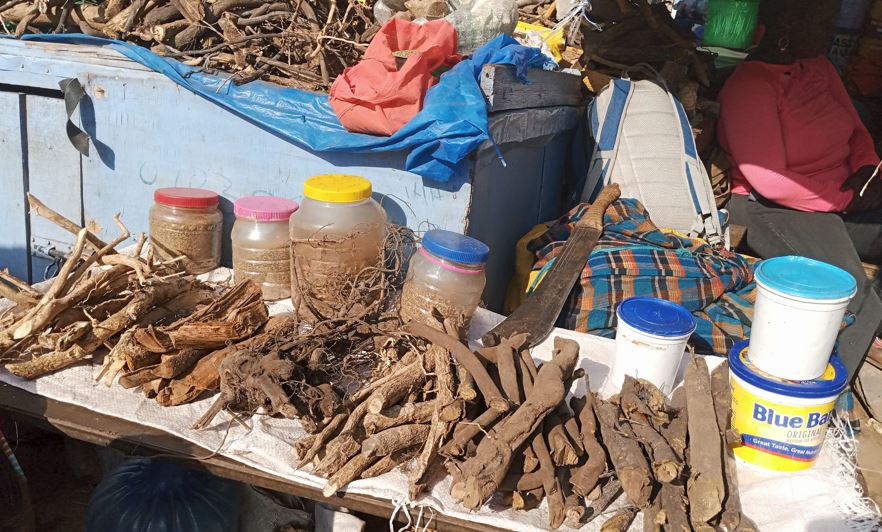
Kenya’s approach to indigenous medicine provides a noteworthy example of how traditional knowledge can be integrated into contemporary healthcare systems. Indigenous medicine, deeply rooted in Kenya’s diverse cultures, encompasses a range of plant-based remedies and holistic practices passed down through generations. This section explores the successful integration of indigenous medicine in Kenya, highlighting key strategies, partnerships, and outcomes.
Case Study: The Integration of Indigenous Medicines in Kenya
Partnerships and Research
Collaborative Efforts: In Kenya, collaboration between traditional healers and research institutions has been essential in validating and harnessing indigenous medicinal knowledge. Organizations such as the Kenya Medical Research Institute (KEMRI) have partnered with traditional medicine practitioners to document and study the therapeutic properties of local herbs and plants. These partnerships bridge the gap between traditional wisdom and modern scientific research, leading to a more comprehensive understanding of indigenous remedies.
Scientific Validation: Research initiatives often involve rigorous scientific testing to verify the efficacy and safety of traditional medicines. For instance, studies have focused on identifying active compounds in indigenous plants and evaluating their potential in treating diseases like malaria and tuberculosis. This scientific validation helps ensure that traditional remedies are both effective and safe for contemporary use.
Herbal Medicine Projects
Herbal Medicine Research and Development Program: KEMRI’s Herbal Medicine Research and Development Program exemplifies the successful integration of traditional medicine into modern healthcare. This program involves traditional healers, researchers, and policymakers working together to develop and standardize indigenous herbal remedies. The program aims to bring traditional medicines into the mainstream healthcare system by validating their therapeutic benefits and ensuring their quality and safety.
New Treatments: The program has led to the discovery of potential new treatments derived from indigenous plants. For example, certain herbs have shown promise in treating infections and other ailments, offering new therapeutic options that complement existing medical treatments.
Community Health Integration
Training and Awareness: The integration of indigenous medicine into community health initiatives involves training programs for community health workers. These programs educate health workers about the benefits and proper use of traditional remedies, promoting a more inclusive approach to healthcare that respects and utilizes local knowledge.
Local Health Practices: Traditional remedies are increasingly recognized in local healthcare settings, where they are used alongside modern treatments. This dual approach helps address health issues more comprehensively and ensures that community members have access to a wider range of therapeutic options.
Regulatory and Policy Support
Traditional Medicine Policy: The Kenyan government has developed the Traditional Medicine Policy, which outlines guidelines for the regulation, standardization, and promotion of traditional medicine practices. This policy aims to integrate traditional medicine into the national health system while ensuring the safety, efficacy, and quality of medicinal products.
Regulation and Standardization: The policy includes measures for the certification and regulation of traditional medicines, helping to maintain high standards and protect consumers. It also encourages collaboration between traditional and modern healthcare providers, fostering a more cohesive healthcare system.
Cultural Preservation and Economic Impact
Cultural Heritage: Integrating traditional medicine into modern healthcare helps preserve Kenya’s rich cultural heritage. By valuing and incorporating indigenous knowledge, the healthcare system acknowledges the importance of cultural practices and promotes their continued relevance.
Economic Opportunities: The commercialization of indigenous medicinal products creates economic opportunities for local communities. This includes potential revenue from the sale of herbal remedies and the development of related industries. Ensuring that the benefits of commercialization are equitably shared with traditional knowledge holders supports sustainable economic development and community empowerment.
Conclusion
Kenya’s efforts to integrate indigenous medicine into modern healthcare systems exemplify a successful model of collaboration between traditional and contemporary practices. By combining traditional knowledge with scientific research and policy support, Kenya enhances healthcare outcomes, preserves cultural heritage, and promotes sustainable development. This model offers valuable insights for other regions, demonstrating that a respectful and strategic integration of indigenous and modern practices can lead to more holistic and effective healthcare solutions.