By Mwibanda
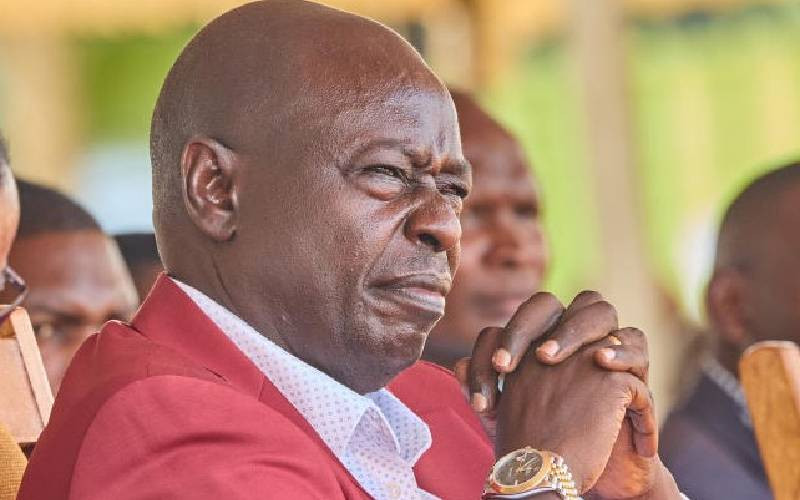
Kenya’s political landscape is once again in turmoil as the possibility of Deputy President Rigathi Gachagua’s impeachment stirs a divided public reaction. This situation has reignited discussions about governance and the persistent challenges posed by political deceit that hinder progress.
A Nation Divided
Supporters of Gachagua maintain faith in the judiciary, hoping it will protect him from what they view as scapegoating for deeper systemic issues. Conversely, those in favor of Prof. Kithure Kindiki’s appointment as a potential successor see a chance for a leadership shift that might prioritize national interests over personal ambitions. This division encapsulates a broader discontent with the current state of governance.
Learning from the Past
Kindiki steps into this political fray with heavy expectations. Many Kenyans hope he will avoid the pitfalls that marred William Ruto’s tenure as Deputy President, where criticism arose that he became a mere extension of the executive. The expectation is for Kindiki to redefine the role, moving beyond being a “puppet” and instead acting as a genuine representative of the people’s interests.
The Politics of Deceit
The cycle of political deceit has stunted Kenya’s growth, as elected officials often prioritize personal survival and loyalty to the executive over public commitment. This dynamic fosters distrust, as policies frequently benefit a select few at the expense of the majority, undermining democratic foundations.
Seeking Remedies
To break this cycle, several remedies should be considered:
Strengthening Judicial Independence: Protecting the judiciary from political influence is crucial. Reforms that insulate judges from executive pressure can help ensure fair legal processes.
Promoting Accountability: Elected officials must be held accountable through robust oversight mechanisms that facilitate public engagement, bridging the gap between leaders and citizens.
Encouraging Civic Engagement: Educating and empowering citizens to demand better representation is vital for fostering a politically engaged populace that can challenge the status quo.
Fostering Transparency: Implementing policies for increased government transparency can rebuild trust, encouraging open budgeting processes and public forums for dialogue.
Championing Grassroots Development: Prioritizing policies that directly benefit marginalized communities is essential for inclusive and equitable development.
Conclusion
As Kenya faces this pivotal moment marked by Gachagua’s potential impeachment and Kindiki’s possible ascent, the divided public sentiment reflects broader discontent with a system that often prioritizes personal gain over collective progress. By fostering accountability, transparency, and genuine representation, Kenya can aspire to break free from the political deceit that has hindered its growth. The responsibility now rests with its leaders to redefine what it means to truly serve the people.