By Mwibanda
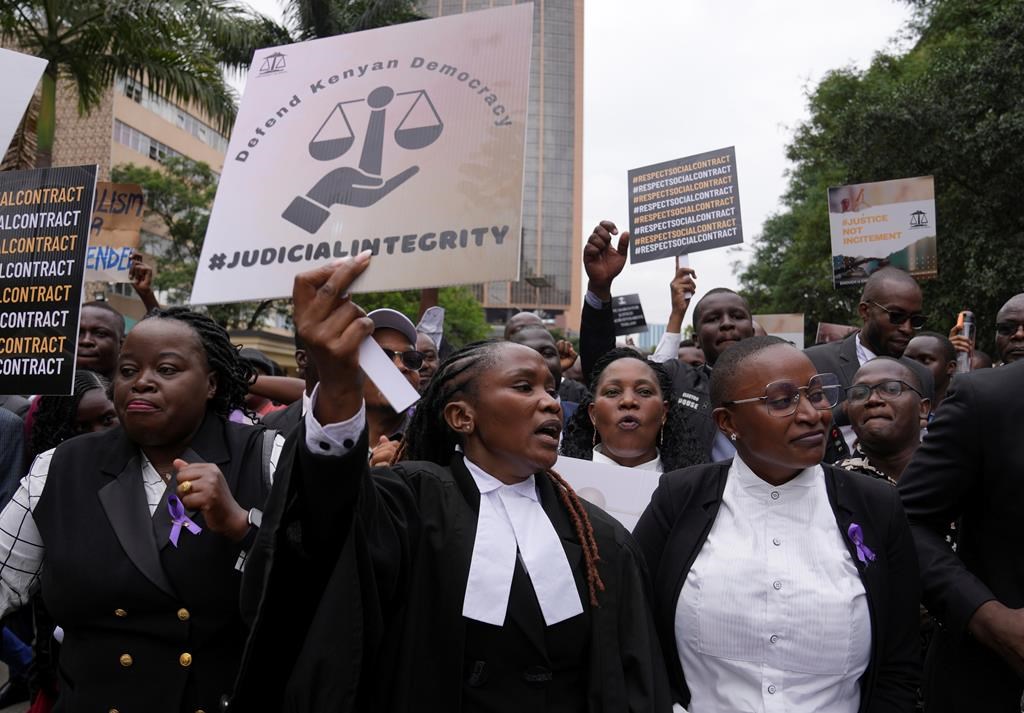
In a significant turn of events last Friday, Kenya’s judiciary experienced a dramatic episode involving two court orders directed at the National Assembly and the Senate. This situation underscores the dynamic nature of Kenyan democracy and highlights the essential role of the judiciary in interpreting the Constitution of Kenya, 2010. As we delve into this unfolding narrative, it is crucial to examine its implications not only for Kenya but also as a potential precedent for other democracies across Africa and the world.
Context: A Quick Nod from MPs
The events began when members of Parliament hastily approved controversial legislation, prompting swift legal challenges. Acting as guardians of the Constitution, the judiciary issued court orders to halt any actions based on this legislation until the legal questions surrounding it could be resolved. This interplay between the legislative and judicial branches serves as a vital reminder of the checks and balances inherent in a functional democracy.
The Role of the Judiciary in Kenya’s Constitution
The Constitution of Kenya, 2010, is hailed as a progressive document designed to promote democracy, human rights, and the rule of law. It established an independent judiciary empowered to interpret the Constitution and protect citizens’ rights. This framework ensures that no branch of government can operate beyond its mandate.
The recent court orders reflect the judiciary’s proactive stance in maintaining constitutional integrity. Article 2(4) of the Constitution states that any law inconsistent with the Constitution is void. This principle reinforces the judiciary’s role in upholding constitutional supremacy, which is vital for the health of any democracy.
Drawing Parallels with Developed Democracies
To understand the significance of Kenya’s judiciary, we can look at examples from developed democracies. In the United States, the Supreme Court has played a pivotal role in interpreting the Constitution and addressing conflicts between state and federal laws. Landmark cases like Marbury v. Madison established the principle of judicial review, allowing courts to nullify laws that violate the Constitution.
Similarly, in Germany, the Federal Constitutional Court safeguards the Basic Law. It has intervened in legislative processes to ensure that laws comply with constitutional mandates, demonstrating the judiciary’s role as a defender of democracy.
These examples illustrate that a robust judiciary is crucial for maintaining the balance of power in any democracy. Kenya’s judiciary, through its recent actions, echoes this global trend, affirming its commitment to constitutionalism.
Implications for Kenya and Africa
The events of last Friday serve as a poignant reminder of the ongoing struggle for democratic consolidation in Kenya. The judiciary’s willingness to issue court orders reflects a commitment to upholding the rule of law, vital for fostering public trust in democratic institutions. This situation sets a powerful example for other African nations grappling with similar issues, showcasing the importance of an independent judiciary in protecting citizens’ rights and ensuring accountability.
Moreover, Kenya’s experience can inspire broader discussions about constitutional reforms across the continent. As nations strive to strengthen their democratic frameworks, the lessons learned from Kenya’s judiciary can inform efforts to create systems prioritizing human rights and the rule of law.
The Path Forward: Strengthening Judicial Independence
Looking ahead, it is crucial for Kenya to continue fortifying its judicial independence. This can be achieved through transparent appointments, adequate funding, and public engagement in judicial processes. An empowered judiciary will not only enhance governance but also act as a bulwark against potential overreach by other branches of government.
Conclusion
As we analyze the dramatic events unfolding in Kenya’s corridors of justice, it becomes evident that the judiciary is not merely a passive entity but an active participant in shaping the democratic landscape. The recent court orders reflect a critical moment for the National Assembly and the Senate, emphasizing the need for adherence to constitutional principles.
The situation in Kenya is a testament to the potential of judicial intervention in protecting democracy and serves as a guiding example for African countries and beyond. As we prepare for the best legal minds to interpret the Constitution, we must remain vigilant in advocating for a judiciary that not only interprets the law but also champions the rights of all citizens.