


: Tradition, Belief, and Modernity
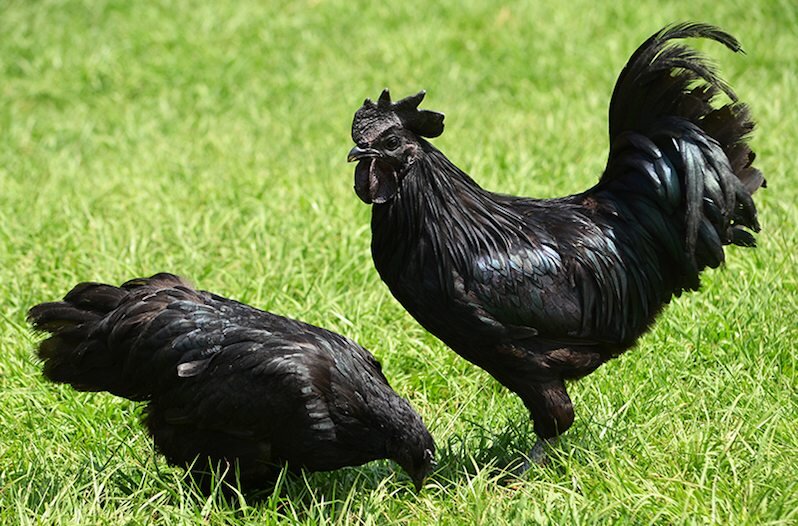
In the Luhya community of Kenya, the black chicken occupies a unique and multifaceted position within the cultural landscape. Deeply embedded in tradition, these birds are associated with both superstition and culinary significance. This article explores the cultural importance of black chicken, examining its traditional beliefs, societal implications, and the interplay with modern Christianity.
Cultural Significance and Superstitions
In Luhya tradition, black chickens are often viewed with suspicion. Their dark feathers are linked to supernatural beliefs, symbolizing a connection to the spirit world. Many believe that these birds possess unique powers, capable of exorcising evil spirits. This belief reflects a broader African worldview that sees animals as intermediaries between the physical and spiritual realms.
As a result, black chickens are often shunned in households. Keeping them is thought to invite misfortune or attract negative energy, leading families to avoid having them as pets. Instead, black chickens are more commonly featured in rituals and ceremonies aimed at cleansing or protecting the home from malevolent forces.
Culinary Acceptance
Interestingly, while black chicken is avoided as a household companion, it is celebrated in restaurants and social gatherings for its distinctive taste and nutritional value. The meat is often perceived as healthier and richer in flavor compared to lighter varieties. This duality illustrates the tension within Luhya society, where cultural beliefs coexist with culinary appreciation.
In urban settings, demand for black chicken in restaurants is rising. It is increasingly regarded as a delicacy, with dishes featuring it gaining popularity among those who may not subscribe to traditional beliefs. This trend highlights a shift in perception, where the culinary value of black chicken transcends its associated superstitions.
The Role of Modern Christianity
The intersection of traditional beliefs and modern Christianity further complicates the status of black chicken in Luhya culture. Many Christians in the region tend to dismiss the superstitions surrounding these birds, viewing them through a biblical lens that emphasizes faith over fear. This shift has led to changing attitudes, as some community members embrace black chicken without the weight of traditional beliefs.
Church teachings that advocate for spiritual empowerment over superstitious fear encourage a reevaluation of cultural practices. As modernity influences Luhya society, younger generations are increasingly inclined to question long-held beliefs, adapting their practices to align with contemporary values, including a newfound appreciation for black chicken as a culinary delight.
Conclusion
The relationship between black chicken and the Luhya community vividly illustrates the complexities of cultural belief systems. While traditionally associated with bad omens and supernatural powers, evolving perceptions around black chicken reflect a broader transformation within society. As modernity and Christianity intersect with traditional beliefs, the acceptance of black chicken in culinary spaces signifies a significant shift—a blending of the old and new that continues to shape the identity of the Luhya people.
Understanding these dynamics enriches our knowledge of Luhya culture and highlights how traditions adapt and evolve in response to changing societal values.



