By Peter Mwibanda.
DODOMA, Tanzania —IP President Samia Suluhu Hassan’s landslide victory — officially recorded at 31 million votes — was expected to mark a moment of national unity and democratic pride. Instead, it unfolded under the heavy shadow of fear, silence, and bloodshed.
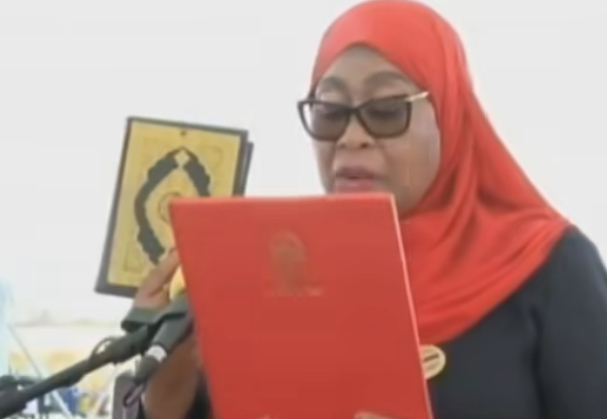
On the day of her swearing-in, the very citizens whose ballots secured her second term were nowhere to be seen. The public was denied entry to witness the ceremony, a decision that has raised troubling questions about the government’s confidence in its own legitimacy.
“What was the fear?” many Tanzanians asked online. “If the will of the people prevailed, why hide the people?”
The answer, critics say, lies in a deeper political crisis that has gripped the nation since the disputed polls. Opposition voices, civil society groups, and foreign observers have condemned the elections as neither free nor fair.
What followed — a wave of protests led by Gen Z activists demanding transparency, reforms, and accountability — was met with a brutal state crackdown.
Witnesses report that dozens of unarmed demonstrators were killed or disappeared during street protests. Social media videos, though swiftly censored, showed scenes of chaos: youth waving flags, police firing live rounds, and journalists being dragged away mid-broadcast.
The ruling party, Chama Cha Mapinduzi (CCM), Africa’s oldest surviving liberation movement, now faces its greatest moral and political test since independence.
Founded on ideals of freedom and equality under Julius Nyerere, the party’s current leadership stands accused of betraying those very principles through censorship, corruption, and intolerance of dissent.
International human rights groups have called for independent investigations into the killings, warning that Tanzania risks sliding back into authoritarianism. Yet the government remains defiant, branding the protests as “acts of destabilization.”
For many young Tanzanians, however, the protests were not rebellion — they were revolution. “We are not enemies of the state,” one student activist said before his arrest. “We are the children of Nyerere, reclaiming the dream our leaders have sold.”
As the smoke clears and the streets fall silent, one truth remains: democracy cannot flourish in fear. Tanzania’s future will depend not on the size of the votes counted, but on whether those votes still count for something real.