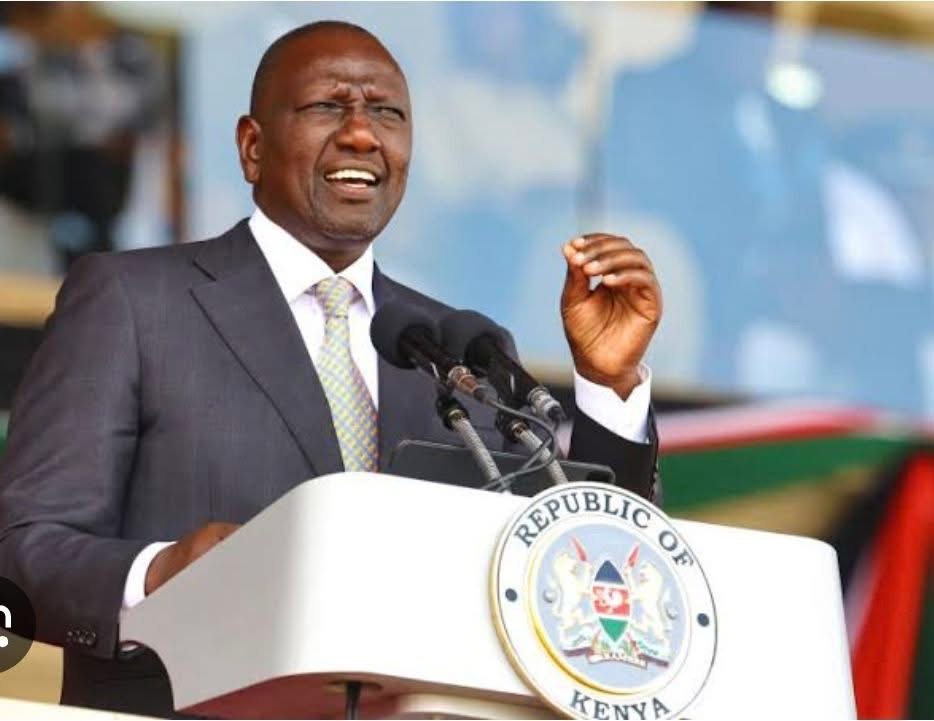
President Dr William Ruto
By Peter mwibamda
NAIROBI
When William Ruto rode the wave of the “hustler vs. dynasty” narrative into State House in 2022, he captured the frustrations of millions of Kenyans.
Framing his candidacy as a break from decades of elite political rule by families like the Kenyattas, Mois and Odingas, Ruto offered the promise of a new era — one driven by economic empowerment, bottom-up policies and the dismantling of entrenched political privilege.
Three years into his presidency, that promise appears to be fraying.
The “hustler” narrative — once a potent rallying cry — has quietly taken a back seat as President Ruto consolidates power alongside the very political forces he once opposed.
The optics of political alliances with former rivals, inclusion of establishment figures in his administration and a string of unpopular economic policies have raised questions: Has the revolution been absorbed by the system it sought to challenge? And what does that mean for 2027?
From Outsider to Insider
Ruto’s campaign against the so-called dynasties was both populist and strategic.
It appealed to a generation of Kenyans grappling with unemployment, high living costs and feelings of marginalization. He spoke directly to the “mwananchi” — the boda boda riders, mama mbogas and unemployed youth — promising inclusion and transformation.
But leading a nation is different from opposing one.
Since taking office, Ruto has faced harsh economic realities.
A depreciating shilling, high public debt, and pressure from global lenders have led to policy decisions that appear to contradict his populist roots — including controversial tax measures and subsidy cuts that disproportionately affect low-income citizens.
Critics argue that Ruto’s administration now resembles previous regimes — entrenched in elite politics, top-heavy governance and distant from the daily struggles of ordinary Kenyans.
Supporters counter that statecraft demands compromise and Ruto’s alliances are a pragmatic response to the need for political stability and legislative support.
A Country at a Crossroads
Kenya finds itself in a familiar cycle: economic hardship, public discontent, and rising political cynicism.
The cost of living continues to climb, and faith in leadership is waning.
From university students to farmers, public sector workers to the private sector, frustration is mounting.
With the 2027 elections on the horizon, accountability will be a central issue. Kenyans are increasingly vocal about governance, transparency and delivery. The president who campaigned on the promise of change may find himself judged more by results than rhetoric.
The Question of 2027
Can President Ruto regain the trust of the “hustler nation” — or has the narrative lost its power?
Political analysts warn that without tangible improvements in living standards and governance, the electorate may look elsewhere.
Others argue that Ruto’s political machinery remains formidable, especially if the opposition remains fragmented.
One thing is certain: 2027 will not be about slogans.
It will be a referendum on performance — and a test of whether the political shift Kenyans voted for in 2022 was real or just another chapter in the country’s revolving door of power.