By Peter Mwibanda
NAIROBI, Kenya .
Kenya is once again treading a dangerous path, as the growing alliance between political elites and rogue actors fuels a troubling resurgence of militias and political violence.
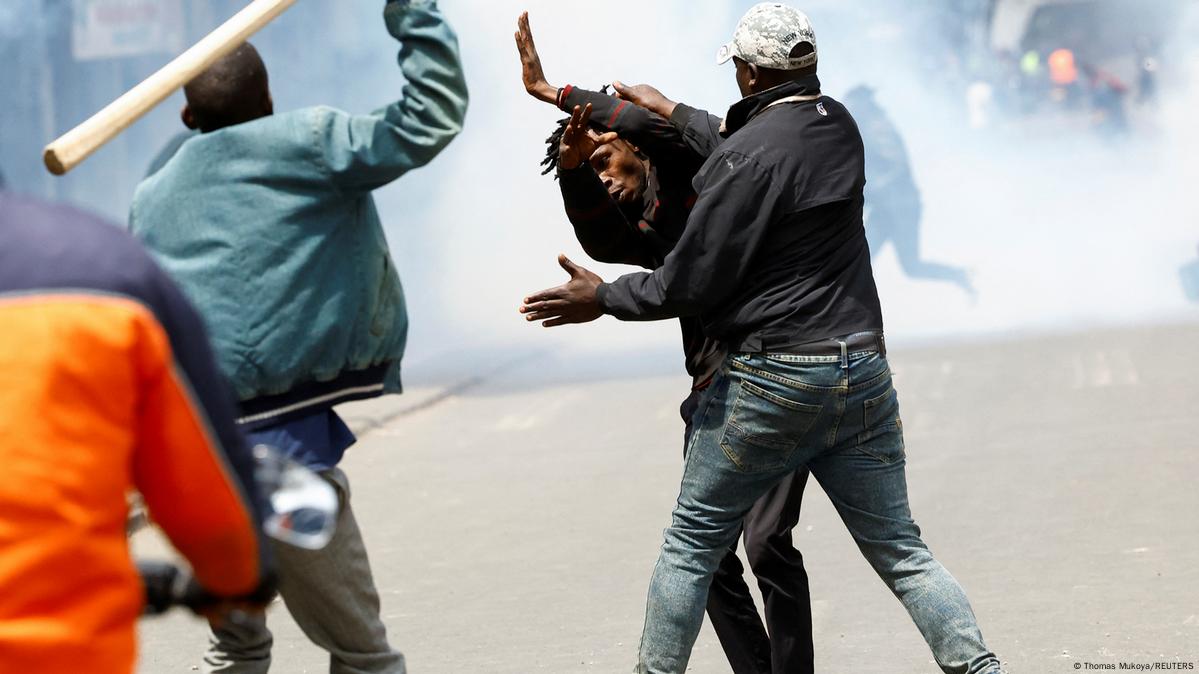
Recent footage of machete-wielding gangs roaming Nairobi’s streets has rekindled memories of the country’s darkest political episodes.
With less than two years to the 2027 general election, the signs are ominous.
Organized gangs are reappearing, often branded as “youth defenders” or “loyal supporters.”
Far from peaceful protestors, these groups are violent enforcers—used to intimidate rivals, silence critics, and instill fear.
Footage and eyewitness accounts show armed youth attacking peaceful demonstrators, journalists and perceived enemies in broad daylight.
The brazenness of their actions, and the impunity with which they operate, has shocked a nation still healing from past political violence.
Kenya’s history is littered with violent groups tied to politics—from the Mungiki sect and the Baghdad Boys to the Sabaot Land Defence Force.
In each case, the state either failed to act or acted too late, allowing the groups to gain influence, power and weapons.
Today, there are growing concerns that history is repeating itself.
Security analysts warn that some politicians are directly or indirectly abetting these groups, either through funding or willful silence.
“Any politician or state actor entertaining the idea of building a loyal militia is creating a monster that will outgrow them,” said one senior analyst.
Militias don’t remain loyal. Many evolve into extortion rings, criminal enterprises or even instruments for violent regime change.
Kenya’s constitution vests the monopoly of force in the state through sanctioned security agencies.
When the state becomes a bystander—or worse, an enabler—it forfeits its legitimacy.
Observers fear that the unchecked presence of gangs could prompt communities to form their own self-defense groups, spiraling into retaliatory violence and urban warfare.
The country’s fragile calm is already under pressure from youth discontent, economic strain and political mistrust.
Adding organized gangs to the mix risks plunging Kenya into widespread instability.
Institutions like the National Cohesion and Integration Commission, Directorate of Criminal Investigations, and Independent Policing Oversight Authority are being urged to act swiftly. Silence, critics say, would amount to complicity.
Kenya stands at a critical juncture.
It can either uphold the rule of law and denounce political vigilantism, or risk sliding into lawlessness fueled by fear and tribal loyalty.
If the return of militias is not confronted now, analysts warn, it may be too late to reverse course.
“You cannot build a republic on fear and expect peace,” said a civic leader in Nairobi.
“If we don’t stop the rise of political gangs today, they’ll be the ones dictating tomorrow.”
Ends.