By Peter Mwibanda.
As Christmas approaches, the season of giving and feasting is on everyone’s mind.
Yet, for many Kenyans, the joy of the festive season often comes with the weight of increased food prices.
This year, the cost of Christmas celebrations has seen fluctuations, driven by a mix of microeconomic factors and changing weather patterns.
The Highs: Rising Food Costs.
The holiday season traditionally witnesses a surge in food prices, and 2024 is no different. Several factors have contributed to this trend:
1. Increased Demand: As families prepare for Christmas, the demand for essential and luxury food items skyrockets, naturally pushing prices higher. Staples like maize flour, rice, and cooking oil have seen price hikes in recent weeks.
2. Microeconomic Pressures: Kenya’s economy has been grappling with inflation, currency fluctuations, and rising transportation costs. These factors have trickled down to consumers, making even locally produced foods more expensive.
3. Rain-Related Logistics Challenges: While rains have generally been favorable, they have also caused disruptions in transportation in some regions, making it difficult for produce to reach markets.
This has led to temporary spikes in prices for fresh produce like vegetables and fruits.
The Lows: A Ray of Hope in Food Prices.
Despite the challenges, not all is grim this festive season.
Favorable weather conditions in recent months have led to a significant improvement in food production, resulting in lower prices for certain items.
1. Falling Prices of Staples: Thanks to good rains, crops such as maize, beans, and potatoes have yielded bumper harvests.
This has brought some relief to consumers, with these staples becoming more affordable compared to previous years.
2. Reduced Import Reliance: Increased local production has minimized the need for costly imports, which are often subject to exchange rate volatility.
As a result, fresh vegetables and fruits, particularly those grown in Rift Valley and Central Kenya, are more accessible to the average Kenyan family.
3. Government Interventions: Recent efforts to stabilize food prices, such as subsidies on fertilizers and agricultural inputs, have begun to show results, albeit gradually.
Balancing the Festive Budget.
For many Kenyans, the highs and lows of food prices this season will require careful planning. To manage costs:
Buy Early: Stocking up on non-perishable items before the peak demand period can help avoid inflated prices closer to Christmas.
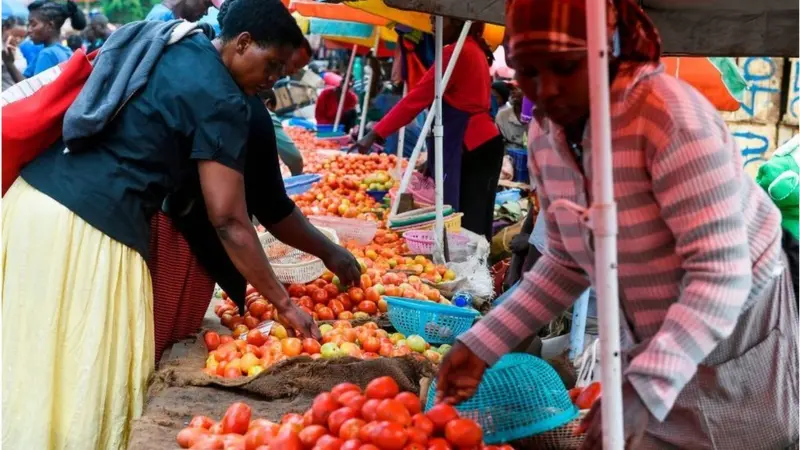
Opt for Local Markets: Purchasing directly from farmers or local markets may offer better prices than supermarkets.
Leverage Discounts: Retailers and wholesalers often run festive promotions; taking advantage of these can stretch your shilling further.
Conclusion.
The cost of Christmas celebrations in Kenya this year reflects a mixed bag of economic and environmental factors.
While some food prices remain high, the silver lining is the drop in costs for staples and fresh produce. With strategic planning, families can still enjoy the season without breaking the bank.
As we approach the festivities, let us remember that the spirit of Christmas lies not in extravagant feasts but in love, togetherness, and gratitude for the blessings we have received.
Ends.