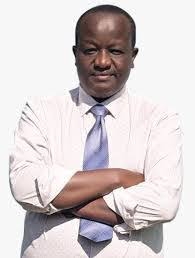
Masinde Nguti….Photo/IP
By Godfrey Wamalwa
As the 2027 General Election slowly comes into focus, the conversation in Kimilili Constituency is shifting from political rhetoric to a more pressing question: who can genuinely deliver development?
For many residents, the growing consensus is that Kimilili’s future depends less on political slogans and more on practical, people-centered leadership.
Kimilili is a constituency rich in potential. Its fertile agricultural land, vibrant markets and energetic youth population should ideally place it among Bungoma County’s most prosperous regions.
Yet, persistent challenges ranging from strained education support systems and unemployment to uneven infrastructure development continue to limit this promise.
This reality has sharpened the public’s demand for a development-oriented Member of Parliament in 2027.
Against this backdrop, Hon. Masinde Nguti, a parliamentary aspirant for Kimilili, has increasingly positioned himself as a leader focused on tangible outcomes rather than political theatrics.
His engagements at the grassroots have resonated with residents who feel that development must be visible, measurable and inclusive.
Nguti’s appeal lies largely in his emphasis on community empowerment.
Rather than waiting for office to act, he has been associated with initiatives aimed at improving livelihoods, particularly at the household level.
Such efforts have reinforced his message that leadership is about service, not status, a narrative that is gaining traction among voters fatigued by unfulfilled promises.
Education remains one of Kimilili’s most sensitive development pillars. Many families continue to struggle with school fees, while schools grapple with limited resources.
A development-driven MP, residents argue, must go beyond routine bursary allocations and push for sustainable education support structures.
Nguti’s frequent focus on education and youth empowerment signals an understanding that the constituency’s long-term growth depends on investing in human capital.
Infrastructure is another area where Kimilili’s expectations remain high. Poor road networks in some areas affect farm produce transportation, inflate costs and slow economic activity.
Constituents increasingly want a representative who can aggressively lobby for infrastructure funding and ensure equitable distribution of development projects across all wards not just politically convenient zones.
Equally important is the question of accountability.
Kimilili voters are becoming more discerning, demanding transparency in the use of public resources and consistent engagement with their elected leaders.
The era of distant representation appears to be fading, replaced by a desire for leaders who consult, report back and remain accessible.
Nguti’s approach of continuous engagement has strengthened his image as a leader aligned with this new political consciousness.
Ultimately, the 2027 race in Kimilili is shaping up to be less about personalities and more about development philosophy.
The constituency stands at a crossroads: maintain politics as usual or embrace leadership anchored in planning, inclusivity and measurable progress.
Whether Hon. Masinde Nguti will carry this momentum to electoral victory remains to be seen.
However, his emergence has undoubtedly enriched the debate, placing development not mere politics at the center of Kimilili’s future.
For a constituency eager to unlock its full potential, that shift in focus may be the most important development of all.