By Peter Mwibanda
NAIROBI, Kenya — IP
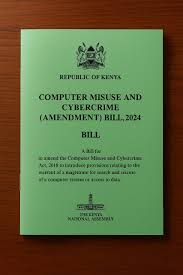
The Kenyan government’s newly amended cybercrime law is drawing fierce backlash from digital activists, journalists and civil society .
The groups warn that it threatens free speech and online dissent.
President William Ruto insists the law aims to curb cyber fraud and protect data integrity.
However critics argue it is a calculated political weapon to silence a rising wave of Gen Z activism that has shaken the establishment.
The amendments to the Computer Misuse and Cybercrimes Act, signed into law this month, introduce harsh penalties for what is termed as “false information,” “cyber harassment,” and “publication of misleading data.”
Activists say the vague language grants the state unchecked power to criminalize opinion, satire, or any post that questions authority.
“Let’s be honest,” said writer and commentator Peter Mwibanda. “What this regime fears most is simple. You cannot jail an entire generation. You cannot arrest every tweet, delete every conscience, or suspend every idea. You cannot shut down purpose.”
Mwibanda argues that Kenya’s ruling elite, alarmed by the digital awakening of the youth, is seeking to reclaim control over the narrative that Gen Z has boldly taken online — exposing corruption, nepotism and abuse of power through viral campaigns and hashtags.
In recent months, Gen Z-led online movements have sparked real-world protests and accountability demands that have cornered powerful figures.
From exposing mismanagement of public funds to challenging tribal politics, the new digital generation has become the nation’s conscience — loud, fearless and unrelenting.
President Ruto, however, maintains that the law is not about repression but protection.
“Our objective is to secure Kenyans from cybercrime, online fraud, and digital manipulation,” he said during the signing ceremony at State House. “We are not targeting activists or free speech.”
Yet, legal experts caution that intent and impact are two different realities.
The Act allows for warrantless access to personal data in certain investigations and empowers authorities to arrest and prosecute individuals for online comments deemed “harmful to public order.”
“The danger is not in fighting cybercrime,” said a Nairobi-based constitutional lawyer. “The danger is in conflating criticism with crime.”
Observers say the amendment echoes a broader continental pattern — where governments use technology laws to stifle dissent while presenting them as cybersecurity measures.
From Nigeria in thWest Africa to neighboring Tanzania and Uganda, digital activism has forced regimes to resort to legal intimidation and internet censorship.
Mwibanda contends that such tactics betray the government’s moral decay.
“A government that fears its citizens is not worth being in leadership,” he said. “When power trembles before truth, it has already lost the moral compass to fulfill the promises it made to its people.”
As Kenya edges toward the 2027 elections, digital freedom may become the new frontline in the country’s democratic struggle.
For the nation’s defiant Gen Z — raised online, politically conscious and unafraid — the message is clear: they will not log off from truth.