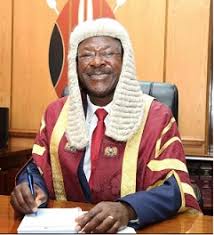
N.A.Speaker Dr. Moses Wetang’ula….Photo/courtesy.
By intellectualspost.co.ke
NAIROBI, Kenya (IP) .
For two consecutive years, Kenya’s Parliament has been branded in public discourse as a “house of disgrace.”
Critics say lawmakers have abandoned their constitutional role of representing voters, instead embracing rent-seeking, impunity, and political complacency.
Even the youth-led storming of Parliament earlier this year — a rare act of defiance — failed to shake the institution’s inertia.
Analysts liken the lawmakers’ posture to J.M. Coetzee’s Disgrace, where the protagonist declares: “I’m prepared not to be reformed. I want to go on being myself.”
Parliament, they argue, remains content to operate as a marketplace for tenders, kickbacks, and political favors.
Committees Under Fire.
Parliamentary committees, created to check executive excesses, are increasingly accused of “laundering” scandals.
Inquiries that should deliver accountability often dissolve into closed-door bargains, ending without consequence.
The latest flashpoint is the 31.6 billion shilling facelift of Bomas of Kenya — a project clouded in secrecy.
Lawmakers are accused of shielding powerful figures from scrutiny, allegedly in exchange for inducements as small as 10,000 shillings, dubbed “toilet handshake deals” by activists.
Shielding the Powerful.
From procurement scandals to questionable loans, investigations have repeatedly stalled.
Lawmakers allegedly trade political cover for tenders, contracts, and promises of campaign financing ahead of the 2027 general election.
“This Parliament has perfected the art of selective outrage,” said a Nairobi-based governance analyst. “It makes noise for the cameras, then quietly approves the very things it should oppose.”
A Crisis of Representation.
Gen Z-led demonstrations in Nairobi, Mombasa, and Kisumu signaled growing impatience with a Parliament viewed as compromised and unresponsive.
Yet, despite the symbolic breach of Parliament’s gates, internal reform remains absent.
With the 2027 elections on the horizon, the question persists: will Kenyans vote for change or repeat past patterns rooted in tribal and party loyalties?
For now, the “house of disgrace” label endures — a sign that Kenya’s legislative chambers may continue to serve power, not the people.
Fact Box: Parliament’s Top 5 Betrayals (2023–2025)
Rank Betrayal Details
1 Bomas of Kenya Facelift Scandal Approval of 31.6 billion shillings without transparency.
2 Fuel Levy Hike Passed despite protests over rising cost of living.
3 KEMSA Procurement Scandal Committees allegedly softened findings on inflated tenders.
4 Public Debt Silence Failure to challenge ballooning debt over 11 trillion shillings.
5 Handshake Kickbacks MPs accused of accepting 10,000 shilling bribes to bury reports.
How Kenya’s Parliament Compares in East Africa
Country Public Trust in Parliament (%) Transparency Score (2024)* Annual MP Pay (USD) Anti-Corruption Ranking**
Kenya 22% 38/100 $78,000 137/180
Uganda 27% 42/100 $60,000 142/180
Tanzania 41% 51/100 $45,000 87/180
Rwanda 71% 76/100 $36,000 54/180
Ethiopia 35% 45/100 $40,000 116/180
*Source: Open Governance Index
**Source: Transparency International
Ends.