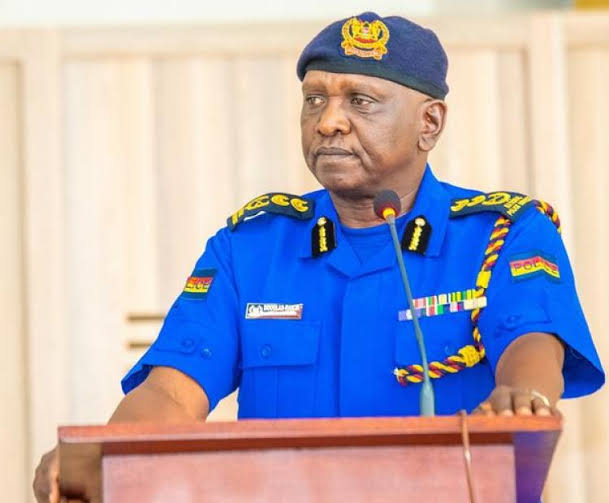
I.G. of Police Douglas Kanja.
By IP Reporter
NAIROBI, Kenya.
Inspector General of Police Douglas Kanja on Monday warned of potential infiltration by criminal elements during Tuesday’s planned nationwide protests, even as opposition leader Raila Odinga renewed calls for dialogue to address public grievances.
Kanja said police units have been deployed across the country to ensure security and protect public and private property. He cautioned officers against the use of excessive force, adding that any police personnel who shoot unarmed civilians or violate the law would face arrest and prosecution.
“We are aware that criminals may take advantage of the situation to cause chaos,” Kanja said. “Our officers are under strict instruction to enforce the law professionally. No unlawful shootings will be tolerated.”
The warning comes as youth-led demonstrations continue to gain momentum, fueled by anger over rising taxes and government spending priorities. Protests last week turned deadly in parts of Nairobi, Nakuru and Kisumu, with rights groups accusing police of excessive force.
Meanwhile, at Ufungamano House in Nairobi, Democratic Action Party-Kenya leader Eugene Wamalwa distanced himself from fresh efforts by Odinga and his Azimio coalition to pursue dialogue with President William Ruto’s administration.
“What Kenyans need is action, not another handshake or boardroom dialogue,” Wamalwa said, echoing sentiments shared by Wiper Party leader Kalonzo Musyoka. “We will not be used to sanitize a regime that has failed to listen to its people.”
Wamalwa called for austerity measures, accountability and urgent reforms rather than prolonged political talks. He said Gen Z protesters had made their voices clear and that politicians should not hijack their cause for personal gain.
Odinga, who has supported the Gen Z-led movement, earlier said he was open to a national conversation to resolve the political standoff. But critics say such overtures risk watering down the urgency of the protests.
Tuesday’s demonstrations are expected to test the government’s tolerance for dissent and the police’s ability to balance security with restraint.
Ends.