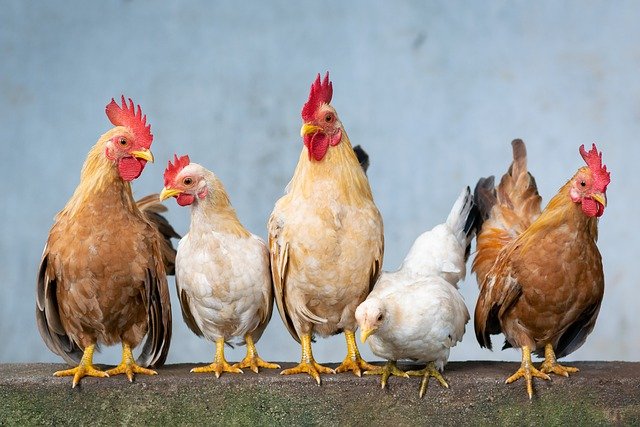
Improved kienyeji breed.
By Mwibanda.
Agriculture continues to play a significant role in driving economic growth and ensuring food security, especially in Africa.
One of the fastest-growing and highly profitable agricultural ventures today is poultry farming, specifically keeping improved Kienyeji birds.
These hardy, disease-resistant birds present a lucrative opportunity for farmers looking to diversify their income and invest in sustainable agribusiness.
Why Choose Improved Kienyeji Birds?
Improved Kienyeji birds are a hybrid breed developed to combine the best traits of traditional indigenous (Kienyeji) chickens and exotic breeds.
They retain the resilience of native birds while boasting enhanced productivity.
Here are some reasons why they stand out:
1. High Resistance to Diseases.
Unlike exotic breeds that are more vulnerable to diseases, improved Kienyeji birds have strong natural immunity.
This reduces the need for expensive medications and frequent veterinary interventions, making them cost-effective to maintain.
2. Versatility in Adaptability.
These birds thrive in diverse environments, from rural free-range settings to semi-intensive or intensive systems.
Their ability to adapt makes them suitable for both small-scale and large-scale farmers.
3. Higher Yields.
Improved Kienyeji birds grow faster, lay more eggs (up to 250 eggs annually), and produce high-quality meat compared to traditional breeds.
This improved productivity translates into greater profits for farmers.
4. Market Demand.
The preference for “organic” or “local” food among health-conscious consumers has fueled demand for Kienyeji chicken and eggs.
Their distinct taste and nutritional value offer a competitive edge in the market.
Steps to Start a Commercial Venture with Improved Kienyeji Birds:
1. Plan and Budget.
Begin by assessing your financial capacity and defining your goals.
Decide on the scale of your venture—whether to start small and expand or jump into large-scale farming.
2. Secure Quality Breeds.
Purchase improved Kienyeji chicks from reputable hatcheries to ensure quality.
These birds will give you the best start in terms of growth rate and disease resistance.
3. Set Up Proper Housing.
Provide a clean, spacious, and well-ventilated poultry house.
Incorporate perches and nesting boxes to promote healthy and stress-free living conditions.
4. Feed and Nutrition.
Improved Kienyeji birds can feed on kitchen scraps, greens, and grains.
However, supplementing with formulated poultry feed ensures faster growth and higher egg production.
5. Vaccination and Hygiene.
Although these birds are highly disease-resistant, vaccination against common poultry diseases like Newcastle and Gumboro is vital.
Regular cleaning and disinfecting of the coop further enhance their health.
6. Marketing and Sales.
Explore local markets, supermarkets, restaurants, and even online platforms to sell your eggs and chicken.
Emphasize their organic quality and health benefits to attract premium buyers.
Why This Venture is Sustainable.
The reduced mortality rate due to disease resistance ensures higher returns on investment, while the birds’ adaptability to local conditions makes them environmentally friendly.
Additionally, their ability to grow on locally available feed cuts down operational costs, making the business both sustainable and profitable.
Final Thoughts.
Farming improved Kienyeji birds is a rewarding enterprise for those willing to invest time and effort.
Whether you’re a beginner or an experienced farmer, this venture promises consistent income, sustainable growth, and a significant contribution to food security.
Take the first step today—embrace the potential of improved Kienyeji birds and watch your agribusiness thrive!
Ends.