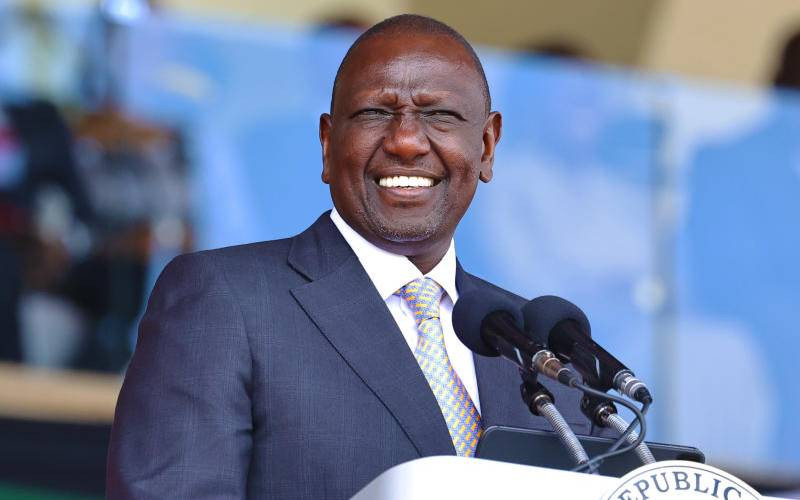
By Swaleh
William Ruto, the current President of Kenya, is widely recognized as a master of political strategy. With over 32 years in politics, he has honed his ability to forge alliances, maintain loyalty, and navigate the turbulent waters of Kenyan politics. Ruto’s journey from humble beginnings to the highest office in the land is a testament to his skill in building relationships, particularly during critical moments.
The Art of Alliances
Ruto’s political career is marked by his exceptional ability to build and maintain a network of allies. This skill has been evident in his rise through various political ranks, from youth leader to key government positions. His close relationships with influential figures have often been crucial, allowing him to secure support when needed.
However, loyalty is paramount in Ruto’s circle. Those surrounding him are expected to demonstrate unwavering allegiance; any sign of dissent can lead to exclusion. This practice mirrors the political tactics of past presidents like Mwai Kibaki, who maintained a tight-knit inner circle, and Uhuru Kenyatta, who rewarded loyalty among his allies.
Navigating Political Storms
Ruto’s tenure has not been without challenges. The recent appointment of Kithure Kindiki as Deputy President has sparked debate. Unlike his predecessor, Rigathi Gachagua, who had a significant following and contributed to Ruto’s electoral success, Kindiki’s appeal in the Mt. Kenya region remains questionable. This choice may prove to be Ruto’s most significant misstep, risking alienation of a crucial voter base.
Historical analysis reveals that presidential appointments significantly impact political stability. Kibaki faced dissent after appointing individuals deemed ineffective, leading to fractures within his government. Similarly, Kenyatta navigated a delicate balance of power with his appointments, often influenced by regional dynamics.
A Test of Loyalty and Strategy
As Ruto moves forward, he must adeptly manage relationships and perceptions surrounding his leadership. His past experience shows a consistent ability to maneuver through crises. However, the current political landscape presents unique challenges, particularly concerning public sentiment and regional loyalties. The loyalty of his allies will be tested as they respond to shifts in power dynamics and the implications of his recent appointments.
The Path Ahead: Opportunities and Risks
Looking ahead, Ruto’s ability to navigate this political maze will depend on his loyalty strategies and his response to pressing national issues. Economic challenges, social unrest, and demands for accountability are at the forefront of public discourse. His administration must demonstrate effectiveness and responsiveness to maintain the support of both allies and the electorate.
Moreover, the growing influence of opposition figures and movements could complicate Ruto’s agenda. His predecessors faced similar challenges; Kibaki contended with the National Super Alliance, while Kenyatta dealt with a formidable opposition coalition during his presidency. Ruto must learn from these past experiences and adopt strategies that reinforce his position while reaching out to potential detractors.
Conclusion
President Ruto’s political journey reflects a blend of strategic alliance-building and the necessity of loyalty. While he has succeeded in crafting a formidable political network, the recent appointment of Kindiki raises questions about his judgment and foresight. As he faces this political storm, Ruto’s ability to adapt and maintain loyalty will be crucial in determining his success or downfall, echoing the experiences of past leaders in Kenya. Will he weather the storm, or is this the beginning of a more turbulent chapter in his presidency? Only time will tell.