By Mwibanda
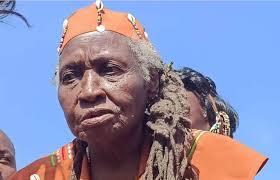
The struggle for independence in Kenya, notably highlighted by events like the Mau Mau Uprising, is often remembered for its male leaders and soldiers. However, the contributions of women—whose voices and roles have frequently been marginalized—were equally pivotal in shaping the liberation movement. This article shines a light on the unsung heroines of Kenya’s anti-colonial fight, particularly from the Central region, while also acknowledging the broader national context.
Women’s Roles in the Anti-Colonial Struggle
Women were at the heart of resistance against colonial rule, engaging in various forms of activism, from direct combat to organizing support systems. Their contributions were multifaceted, encompassing political, social, and economic dimensions.
Central Kenya: The Heart of Resistance
During the Mau Mau Uprising from 1952 to 1960, many women stepped into roles traditionally held by men. Notable figures like Wambui Ng’ang’a emerged as key organizers, helping supply fighters with food and intelligence. Her bravery and leadership were critical in maintaining the morale of the resistance.
Another significant contributor was Wangari Maathai, who later became a renowned environmentalist and political activist. Her early involvement in the anti-colonial struggle laid the groundwork for her future advocacy, emphasizing the critical nature of women’s roles in the liberation movement.
Beyond Central Kenya: National Contributions
Women’s contributions were not confined to Central Kenya. In the coastal regions, Bi Kidude, a celebrated Taarab musician, used her art to inspire resistance and foster community solidarity. Her music addressed social injustices and mobilized support for the independence movement.
In Western Kenya, Aunt Kezia, a member of the Luo community, played a significant role in preserving anti-colonial sentiments. She organized secret meetings to strategize and disseminate information about the liberation struggle, ensuring that women’s perspectives and needs were considered.
Marginalization of Women’s Contributions
Despite their significant roles, many women remained overshadowed by their male counterparts. The narratives constructed around the liberation struggle frequently excluded women’s experiences, reducing their involvement to mere support roles rather than acknowledging them as key players.
This marginalization continues to affect the recognition of women’s roles in contemporary Kenyan society. Many women who fought for independence have yet to receive the acknowledgment they deserve, and their stories remain largely untold.
Conclusion
The anti-colonial struggle in Kenya was a collective effort, and the unsung heroines who participated in it deserve recognition and remembrance. As we reflect on this history, it is crucial to highlight the voices of women who significantly contributed to the fight for freedom. Their bravery, resilience, and leadership continue to inspire new generations, reminding us that the struggle for equality and recognition is ongoing. Acknowledging their contributions is not just about historical accuracy; it honors the spirit of the movement and ensures that future generations understand the true breadth of the fight for independence.