


By Mwibanda
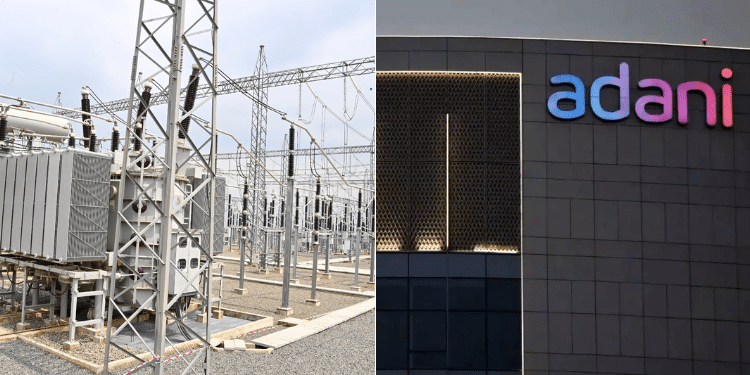
In a landmark agreement, Indian firm Adana has secured a significant $95 billion deal for power management in Kenya, placing it firmly in the spotlight. This development coincides with Adana’s upcoming role in managing Jomo Kenyatta International Airport, prompting scrutiny regarding its involvement in critical national infrastructure.
The Context: A Wave of Concerns
The announcement of the Adana deal has sparked considerable alarm. A group of Kenyan doctors has expressed concerns about the handling of data related to healthcare technologies supplied by another firm affiliated with Adana, which recently received a KSh 104 billion contract for healthcare tech systems. These apprehensions are fueled by a pervasive climate of corruption that has long plagued Kenya’s public procurement processes.
With corruption often viewed as the norm, questions arise about whether these substantial contracts will yield the promised benefits or merely perpetuate existing inefficiencies and malpractices. The situation is further complicated by the current government’s reputation and its commitment to transparency and accountability.
Political Implications: The Role of Leadership
The administration led by Raila Odinga has advocated for a broad-based government focused on inclusivity and rebuilding public trust. However, skepticism remains about whether this approach can effectively combat the entrenched corruption many believe is systemic.
The recent awarding of tenders raises critical questions: Will Kenyan taxpayers witness tangible benefits, or will they suffer the consequences of mismanagement and exploitation? The outcome of these contracts could significantly impact public trust and economic stability.
The Path Forward: Solutions for a Nation in Need
To navigate this complex landscape, Kenya must adopt several strategic measures:
Enhanced Transparency: Implement strict oversight mechanisms for all public contracts, including open bidding processes and regular audits by independent bodies to ensure accountability.
Strengthening Institutions: Empower anti-corruption agencies to operate without political interference. Building their capacity to effectively investigate and prosecute corruption cases is essential.
Public Engagement: Involving citizens in monitoring government contracts can foster greater accountability. Initiatives like community watch programs can help ensure projects are completed as promised.
Legislative Reform: Review and amend procurement laws to close loopholes that allow for corrupt practices. Enforcing strict penalties for violations will serve as a deterrent.
Fostering a Culture of Integrity: Promote ethics in public service through training and awareness campaigns, emphasizing that integrity is non-negotiable.
Conclusion: A Test of Resolve
The successful implementation of the Adana deal and other contracts hinges on the government’s ability to combat corruption. Kenyans find themselves at a crossroads; the decisions made now will determine whether the country can reclaim its path toward sustainable development and public trust. As this situation unfolds, it presents a test of leadership and a crucial moment for the nation’s future. The coming months will be pivotal in shaping Kenya’s economic and political landscape, making it essential for all stakeholders to remain vigilant and engaged.



