By Mwibanda
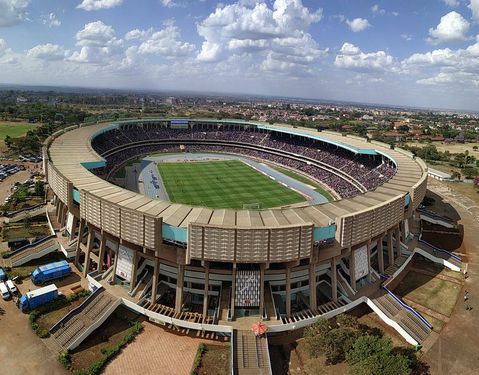
In September 2022, President William Ruto’s administration unveiled an ambitious plan to transform Kenya into a global sports hub. Central to this vision was the promise to develop world-class sports facilities across the country. However, two years into Ruto’s presidency, the reality starkly contrasts with these lofty goals, as many stadiums remain in disrepair or have been abandoned altogether.
The Grand Vision
Ruto’s pledge was nothing short of revolutionary. The plan included the renovation and construction of state-of-the-art stadiums designed to elevate Kenya’s sports infrastructure and provide athletes with top-tier facilities. The vision aimed to foster a thriving sports culture, attract international sporting events, and enhance Kenya’s global standing.
The Current Reality
Despite the initial excitement, the current state of these sports facilities tells a disappointing story. Numerous stadiums, intended to be symbols of progress, have instead become symbols of neglect. Projects launched with great fanfare have either stalled or failed to meet their projected timelines, leaving a trail of unfinished structures and derelict sites. Abandoned by contractors, these facilities underscore a broader issue of mismanagement and broken promises.
Government Stance
In stark contrast to this visible decay, Cabinet Secretary for Sports, Culture, and Heritage, Ababu Namwamba, has expressed satisfaction with the progress of renovations. His statements suggest that some progress has been made, albeit not in line with initial promises. The Sports CS’s optimism seems disconnected from the reality on the ground, where many Kenyans remain skeptical about the administration’s commitment and effectiveness in revamping sports infrastructure.
Analysis
The disconnect between official statements and ground realities raises critical questions. It highlights a potential gap in communication and accountability. If progress has been made, it is not visible to the average Kenyan or the sports community that anticipated the completion of these projects.
Moreover, the persistence of abandoned projects may indicate deeper systemic issues, including bureaucratic delays, financial mismanagement, or inefficiencies in project execution. Addressing these problems is essential to ensure that future pledges do not suffer the same fate.
Conclusion
As President Ruto’s administration marks two years in office, the world-class stadia pledge remains a mirage for many Kenyans. While there is official talk of progress, the reality suggests a significant shortfall in delivering on these high expectations. For Kenya to genuinely achieve its vision of becoming a sports powerhouse, it must confront these challenges head-on and ensure that promises translate into tangible results. The hope is that future efforts will bridge the gap between ambition and achievement, transforming current disillusionment into a narrative of success.