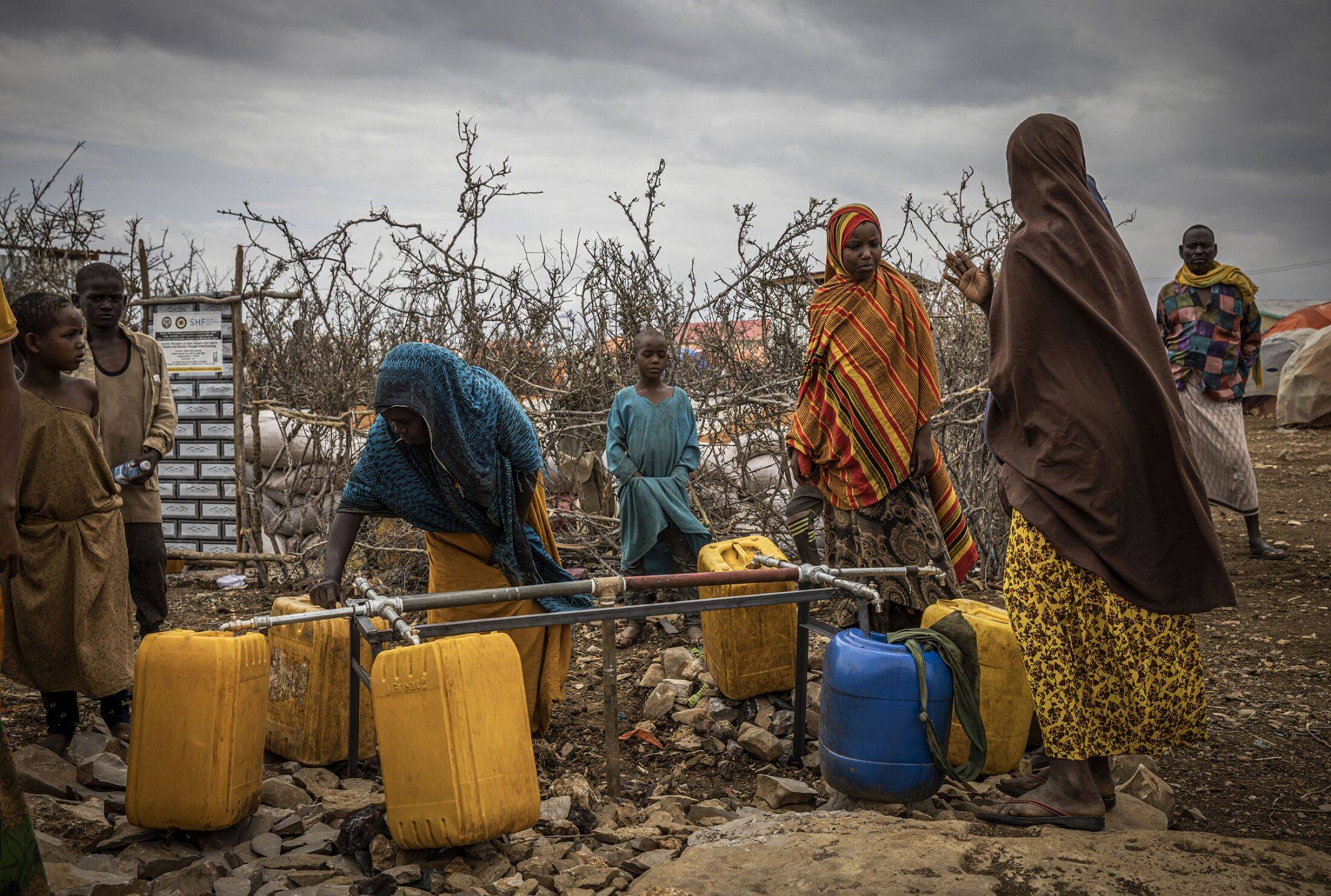
As climate change accelerates, traditional farming faces unprecedented challenges. Erratic weather, extreme events, and shifting growing seasons threaten global food systems. In this turbulent environment, early warning systems and Environmental, Social, and Governance (ESG) principles are becoming crucial for sustainable agriculture.
Understanding the Challenge
Climate change disrupts agricultural cycles with unpredictable rainfall, rising temperatures, and prolonged droughts, impacting crop yields and food security. Farmers face increased risks of crop failure, reduced productivity, and economic losses. Addressing these challenges requires both technological innovation and commitment to ESG principles.
The Promise of Early Warning Systems
Early warning systems provide timely information on weather events and environmental conditions through satellite imagery, meteorological data, and predictive modeling. This allows farmers to make proactive adjustments, such as altering planting schedules or selecting resilient crop varieties, enhancing productivity and risk management.
Environmental, Social, and Governance: Pillars of Success
Environmental: Integrating environmental sustainability helps mitigate climate impacts. For farmers, this includes reducing carbon footprints, conserving water, and protecting biodiversity. Early warning systems aid these efforts by providing data for eco-friendly decisions.
Social: The social pillar focuses on community well-being, fair labor practices, and resilience. Early warning systems enable farmers to manage risks effectively, securing income and stability for rural communities. ESG-driven companies also invest in resources and training for farmers.
Governance: Effective governance involves transparency and accountability. For agriculture, this means adopting responsible practices and adhering to regulations. Early warning systems enhance governance by providing accurate data that improves decision-making and stakeholder trust.
Case Studies of Success
Regions and companies have successfully integrated early warning systems and ESG principles. In East Africa, FEWS NET offers weather forecasts and crop data, supporting food security and environmental stewardship. In India, agro-meteorological advisory services enhance productivity while maintaining governance standards.
Challenges and Future Directions
Despite their benefits, challenges include limited technology access, infrastructure gaps, and the need for effective communication. Future advancements should focus on improving the precision and accessibility of early warning systems and expanding ESG integration. Collaboration among governments, technology providers, agricultural organizations, and businesses is crucial for overcoming these challenges.
Conclusion
Early warning systems and ESG principles are essential for climate action in agriculture. By providing actionable insights and fostering sustainable practices, these tools help build resilient food systems and promote a greener future. Embracing both technological advancements and ESG strategies is key to achieving long-term success and sustainability in a changing climate.