By Mwibanda
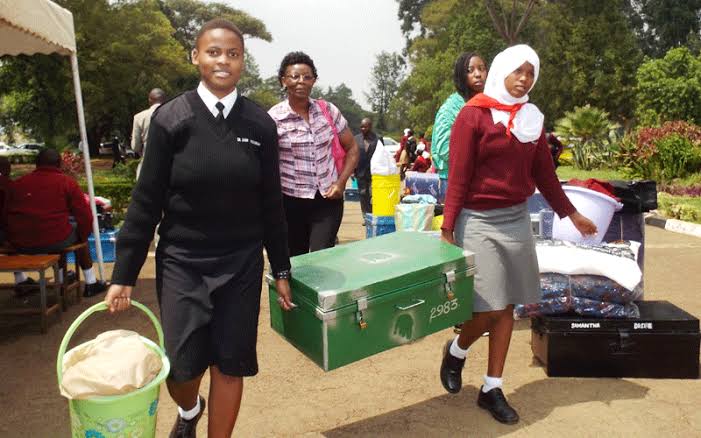
As Kenyan public schools prepare for an early holiday break, learners will enjoy a 12-week vacation, with institutions set to reopen on January 6, 2025. However, this extended break comes amid a persistent cash crunch affecting school operations, raising concerns about the government’s commitment to education—a vital driver of national development.
The Current Situation
School heads have voiced frustrations regarding delays in the disbursement of funds. Many institutions rely heavily on government funding to cover operational costs, including teacher salaries, facility maintenance, and the provision of learning materials. The lack of timely financial support has forced many schools to adopt drastic measures, including early closures, disrupting students’ learning continuity.
Implications for Learners
An early holiday poses several challenges for learners. While students may welcome the break, the interruption in their education can hinder academic progress. With a lengthy 12-week holiday, students risk forgetting key concepts and losing valuable learning time, which could impact their performance in the subsequent term. Moreover, those from economically disadvantaged backgrounds may face limited access to educational resources during this prolonged break, further widening the educational gap.
Government Accountability
This situation raises pressing questions about the government’s responsibility to safeguard education. Education is universally recognized as a fundamental right and a key driver of socio-economic development. Delays in funding compromise the quality of education and undermine the future of the nation’s youth. Critics argue that the government has failed to prioritize education in its budget allocations, potentially jeopardizing the country’s long-term growth and stability.
Conclusion
The early holiday break in Kenyan public schools, while beneficial for rest and relaxation, underscores a significant systemic issue in the education sector. As schools grapple with financial constraints, it is imperative for the government to reassess its funding strategies to ensure that education remains a priority. A commitment to timely disbursement of funds is crucial in fostering a conducive learning environment, ultimately empowering the next generation to contribute effectively to society. The future of Kenya’s youth—and the nation—depends on it.