By Swaleh
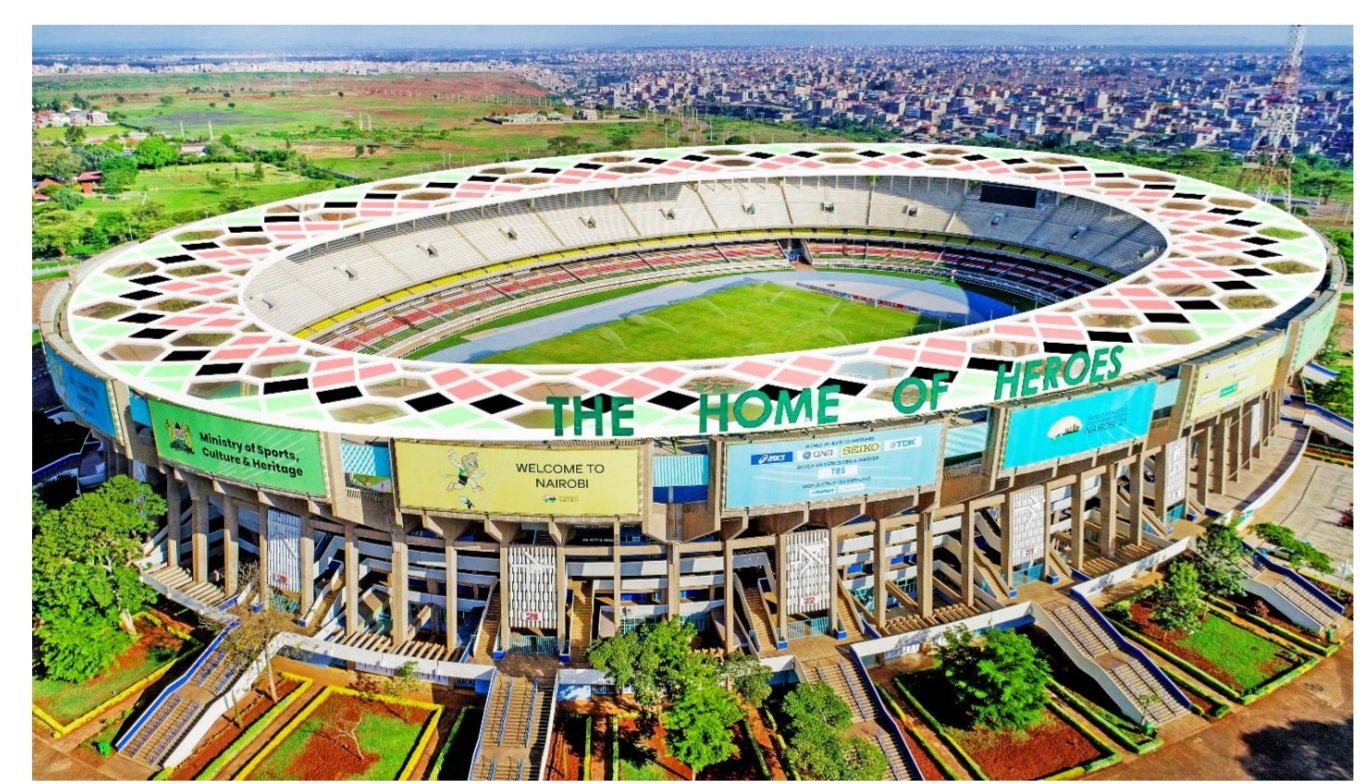
In a recent statement, Sports Cabinet Secretary Kipchumba Murkomen proposed that the government should divest from owning most stadiums in Kenya, advocating for private ownership instead. He argues that such a move could unlock significant potential in the country’s sports sector.
Key Points from Murkomen’s Proposal
Rationale for Privatization: Murkomen believes that privatizing stadiums will enhance their management and efficiency, ultimately benefiting the sports industry. He noted, “It’s a big shame that over 60 years since independence, none of our football clubs own a stadium.”
Government’s Role: While he supports privatization, Murkomen suggested that the government should retain ownership of only two to three stadiums for state functions. This approach, he argues, would allow the private sector to manage the majority of facilities, fostering a more vibrant sports environment.
Mixed Reactions: The proposal has sparked varied responses on social media. While some support the idea of privatization, others argue that the government should first improve existing stadiums before considering such a drastic shift. Suggestions have also emerged to provide land for new stadium construction instead of privatizing current facilities.
Addressing Concerns: Murkomen acknowledged the need for improvements in existing stadiums to attract private investment, stating, “Unfortunately, our sports sector hasn’t yet reached a state where it can inspire an investor to lease a stadium.”
Future Vision: He emphasized his commitment to creating an environment conducive for investment in sports, which could lead to economic growth and job creation for the youth.
Conclusion
Murkomen’s proposal to privatize Kenya’s stadiums is part of a broader vision to enhance the sports sector’s professionalism and economic viability. As discussions continue, the challenge will be to balance public interests with private investment to create a thriving sports landscape in Kenya.