By Swaleh
In a landmark conservation effort, Kenya and Tanzania have united to protect the vital Mara ecosystem, a region renowned for its rich biodiversity and iconic wildlife. This collaboration marks a significant step forward in preserving one of Africa’s most treasured natural habitats.
The Importance of the Mara Ecosystem
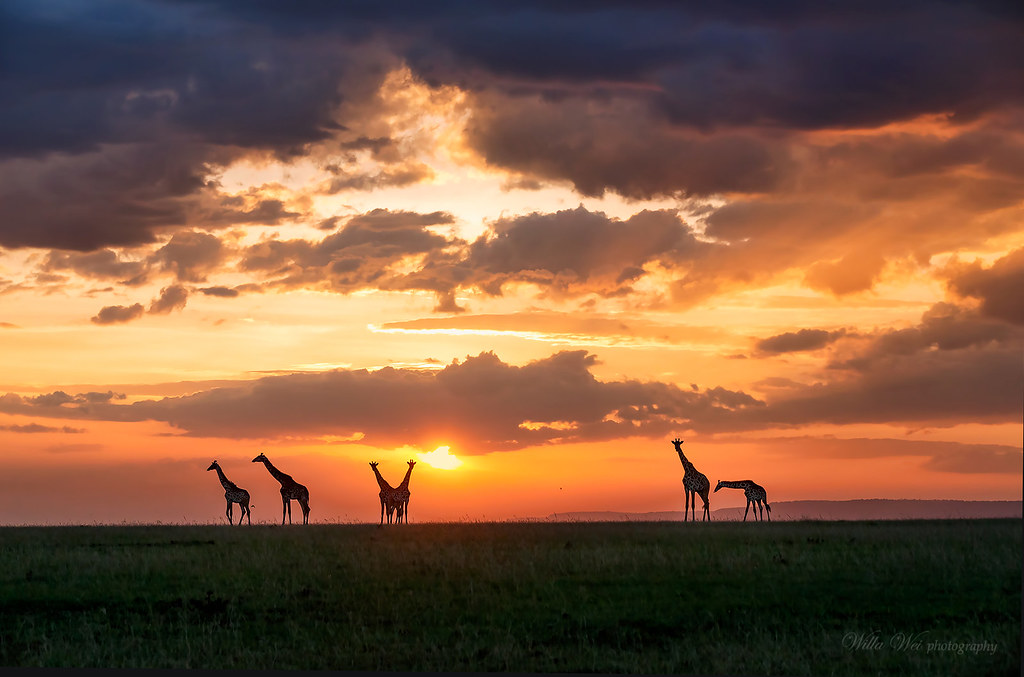
The Mara ecosystem spans both Kenya and Tanzania, encompassing the famous Maasai Mara National Reserve in Kenya and Serengeti National Park in Tanzania. This region is celebrated for its spectacular annual migration of wildebeest, zebras, and gazelles—a natural phenomenon that attracts thousands of tourists each year. Beyond the migration, the ecosystem supports a diverse array of species, including lions, elephants, and cheetahs, making it a critical area for conservation.
Tourism’s Role and Challenges
Tourism plays a pivotal role in the economies of both countries. The Maasai Mara and Serengeti draw millions of visitors annually, generating significant revenue and employment opportunities. However, this influx also poses challenges. The high volume of tourists can strain local resources, disrupt wildlife habitats, and contribute to environmental degradation if not managed sustainably.
A Collaborative Conservation Strategy
Recognizing the need for a united approach, Kenya and Tanzania have embarked on a joint conservation strategy to safeguard the Mara ecosystem. This initiative involves several key components:
Coordinated Management: The two countries are working together to manage the ecosystem effectively, addressing issues such as poaching, habitat destruction, and human-wildlife conflict.
Sustainable Tourism Practices: Both nations are promoting eco-friendly tourism practices to minimize environmental impact. This includes regulating visitor numbers, implementing responsible wildlife viewing guidelines, and encouraging operators to adopt sustainable methods.
Cross-Border Collaboration: The partnership extends beyond conservation management to include shared research and monitoring. By pooling resources and expertise, Kenya and Tanzania can more effectively track wildlife populations and environmental changes.
Community Engagement: Local communities are integral to the conservation effort. Initiatives are in place to involve local people in conservation activities and provide them with alternative livelihoods that do not rely on exploiting the ecosystem.
Looking Ahead
The partnership between Kenya and Tanzania represents a promising model for cross-border conservation efforts. By working together, the two countries aim to ensure that the Mara ecosystem remains a vibrant and resilient environment for future generations. Through continued collaboration, sustainable tourism practices, and community involvement, they are setting a powerful example of how nations can unite to protect our planet’s natural wonders.
As the Mara ecosystem faces ongoing pressures, the commitment of Kenya and Tanzania to this collaborative effort offers hope for the future. With concerted action and shared responsibility, the legacy of the Mara’s magnificent wildlife and landscapes will endure for years to come.