


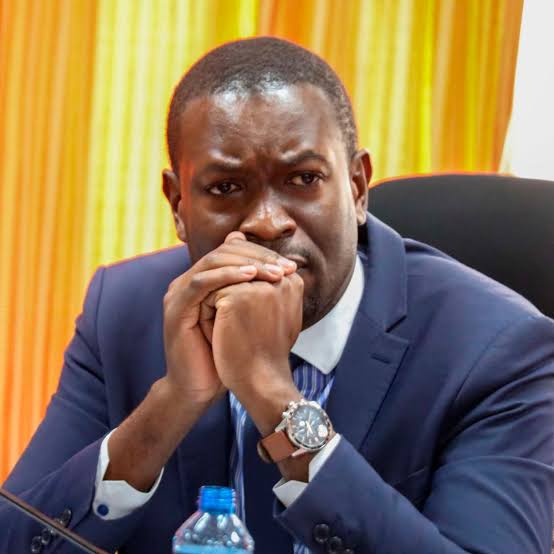
Senator Edwin Sifuna….Photo/File
By Peter Marango Mwibanda
As Kenya’s political landscape rapidly shifts toward the 2027 General Election, one question continues to dominate opposition politics: what next for Edwin Sifuna and the Linda Mwananchi movement?
Sifuna has emerged as one of the most vocal critics of President William Ruto’s administration.
His articulate defense of constitutionalism, accountability and democratic governance has earned him admiration among many Kenyans, particularly young voters.
Yet political influence is not sustained by rhetoric alone.
It requires organization, strategy and an independent political vehicle capable of translating public support into electoral victories.
The reality confronting Sifuna is that his future within ODM appears increasingly uncertain.
Internal party dynamics have changed dramatically, and prolonged legal and political battles over his position as secretary-general could consume valuable time and political capital.
In politics, timing is everything. Every month spent fighting internal wars is a month lost in building a national movement capable of challenging an incumbent president.
If Linda Mwananchi intends to become more than a pressure group, it must evolve into a fully-fledged political party with a clear ideology, national leadership structure and grassroots network. Modern politics rewards organization, not symbolism.
The movement should recruit aggressively across all 47 counties, establish county and ward offices, register members and develop policy alternatives that address the cost of living, unemployment, corruption, healthcare, agriculture and education.
Kenyans are looking for practical solutions, not merely criticism of the government.
Equally important, Sifuna and his allies should embrace coalition politics.
Successful opposition movements rarely succeed by choosing allies based on personal preferences.
Political maturity demands working with diverse leaders who share the common objective of providing alternative national leadership.
The mission should outweigh individual differences.
Members of the Linda Mwananchi splinter group should also consider resigning from parties whose agendas no longer align with their political vision.
Remaining in organizations where influence has diminished may weaken rather than strengthen their bargaining power.
Building an independent political identity would give the movement greater credibility ahead of coalition negotiations before 2027.
President William Ruto will enter the next election with the advantages of incumbency, state visibility and an established national political machine.
Any opposition seeking to unseat him must begin organizing today rather than waiting until the campaign season.
For Edwin Sifuna, the moment demands decisive leadership. The choice is whether to continue investing energy in internal ODM disputes or channel that energy into constructing a disciplined national political movement capable of competing for power.
History often rewards leaders who recognize political moments before everyone else.
If Linda Mwananchi transforms itself into a formidable political party anchored on ideas, organization and national unity, it could become a significant player in Kenya’s evolving political landscape.
If it does not, it risks remaining a movement remembered more for its speeches than its electoral impact.
Ends.



